
This April will see the return of Inkhaven, a blogging residency program where you have to write and publish at least 500 words a day, every day, for a whole month, or they feed you to the hounds kick you out. As bloggers who mostly write 10,000-plus-word effortposts, this format is both fascinating and alienating to us. We’ve never written only 500 words in our lives.
While Inkhaven has been a big success, the format isn’t naturally conducive to effortposts (long, detailed, well-researched posts that clearly took significant time and effort to write). For example, consider this reflection from one resident, Amanda From Bethlehem:
I came to Lighthaven with a draft folder full of half-finished pieces that I wanted to take across the finish line. A lot of them were effortposts that needed extensive revisions. I struggle with procrastination and perfectionism, so I figured that Inkhaven would be the perfect environment for me.
…
The problem with effortposts is that they took a long time to write. Even if I already had a draft. Especially if I already had a draft, which I showed to Scott Alexander during his Office Hours, and he (very politely) ripped it to shreds right before my eyes, and then I had to completely re-write it.
…
If you’re interested in doing the next Inkhaven, don’t expect to get very many effortposts out the door.
This was a frequent comment. A post of ~500 words is good practice and builds important skills, like finishing and shipping, but many of the best and most famous blog posts are effortposts. Many people would like to write or finish more of them, it’s a natural aspiration. One of the organizers, Ben Pace, even considered in his retrospective the idea of a “Weekhaven”:
What might a ‘Weekhaven’ look like?
- Each week, you write a single, 3,500+ word effortpost
- Writers could spend whole days reading and doing research, without writing.
- It would have more narrative arc to the week. Currently an idea is brought up today, discussed, and published same day. In Weekhaven, they’d get feedback on it multiple times at different levels of development.
- Editing would be more of a process; you could take a finished essay and restructure it, or re-write whole sections.
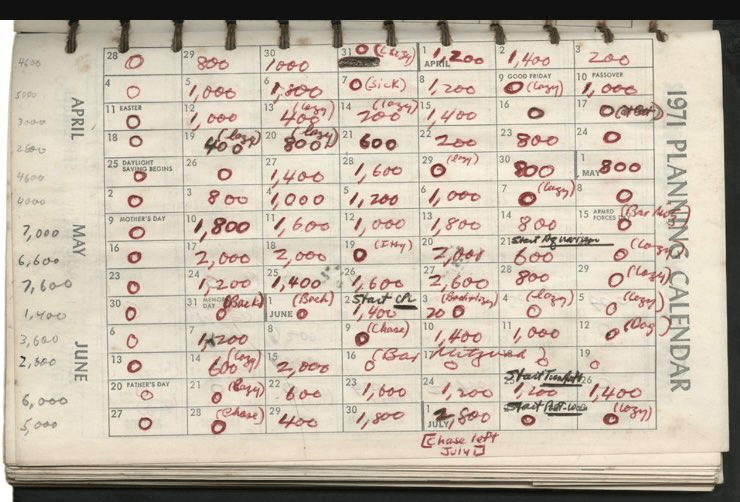
But there may not be a need for such a drastic change in format. After all, even great works are produced in smaller chunks. Robert Caro, who produces biographies of truly monumental length, aims for a mere 1,000 words per day, as seen on this calendar:
So here’s a suggestion for how to produce effortposts while still getting 500 words out the door every day no problem. We call it effortscaffolding.
Each day, wake up and work on your effortpost until a specific time, let’s say 5 pm. After that point, no more working on your effortpost. Instead, write a reflection about what you did that day and where the piece is at. This will almost certainly come to 500 words. If you’re a programmer, think of it as a slightly long git commit, a snapshot of the effortpost at that point in time. That’s your post for the day, publish it.
Or if you prefer, you can start the day by writing about the current state of the effortpost, and what you plan to work on that day. This will also almost certainly come to 500 words, and you can publish that. Or write and publish both.
If you’re really stuck, write the reflection as an email to a friend who’s interested in the topic. Or pull them up on Discord and literally tell them about it until you reach 500 words. Have them ask you questions about the project to draw out more ideas. (Or just write 500 words of questions to yourself.) Then copy your Discord messages into a document and publish that. Boom, done.
This concept is also a nice fit for Inkhaven because of the “firehose problem”. One post of >500 words a day creates a real firehose of writing, and even if they truly adore you, most readers don’t want to get 30 emails in one month. So Inkhaven suggested you could choose to only send a small number of your posts as email updates, and not send the others.
These scaffolding posts would be good ones not to send. Only true diehard readers will want to see them, and anyone who does choose to read them will get the pleasure of living slightly in the future, knowing about the effortpost before it drops.
It’s not even a waste of prose, because you can mine your daily reflections for material and roll that into the effortpost itself. If you have one big idea that you want to think about, or one big problem that you want to solve, you can write 500-word posts about the idea/problem all month long and then stitch ‘em together at the end.
Honestly, effortscaffolding might be good practice for effortposts in general. A daily roadmap and/or reflection will probably help you think about the effortpost more clearly. The sense of progress is good for morale. And people love dev diaries. Plus they’re just interesting artifacts.
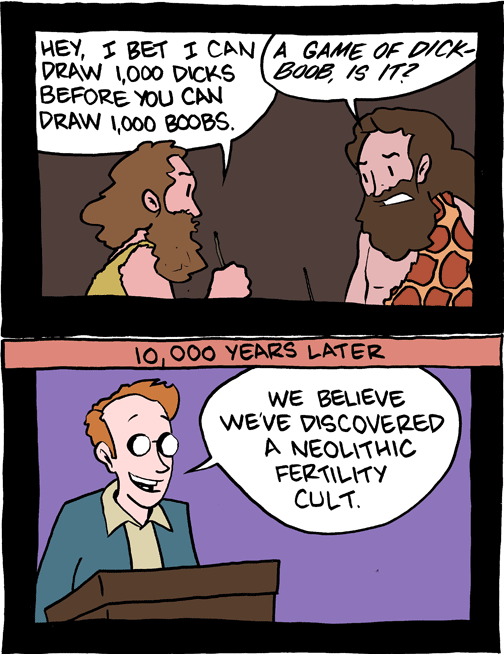
Ironically, this might be one of our posts closest to 500 words.
 SLIME MOLD TIME MOLD