
Previous Philosophical Transactions:
- JP Callaghan on Lithium Pharmacokinetics
- Lithium in Scottish Drinking Water with Al Hatfield
- M’s Experience with Potatoes-by-Default
- Jon on One Year Post-Potato-Diet
Neoncube recently sent us some emails about a self-experiment where he ate mostly meat and veggies. The exchange is reproduced below, lightly edited for clarity.
Neoncube’s First Email
Dear Slime Mold Time Mold,
I’ve followed your writings with great interest, and now I’m enthused to write to you about the rather astounding success that I’ve had with a “meat and veggies” diet, where I lost 6% of my body weight in one month!
The story
Everyone had told me that when I hit 30 years old, I’d get fat, but I was still surprised when it actually happened. I’d always been skinny, and keeping off weight wasn’t something that I’d had to worry about much. Two years after I hit 30, though, I was 176lb (80kg), with a BMI of 25 and the beginnings of a belly.
Despite all this, I still wasn’t taking my weight very seriously. Things finally came to a head when I attended an aerobics class where I had to exercise in front of a full length mirror for an hour. The hour was rather torturous. Neither my physique nor my stamina were what I had imagined. I was fat and out of shape, and something needed to change.
After my shock, I decided to depart on a meat and veggies diet. My sister had used this diet and “lost so much weight that [she] had to stop”, and the person who had told her about the diet (my brother) has never been anywhere close to fat.
It seemed there was hope! And thus, I began the meat and veggies diet.
The diet
The rules of the diet were simple: Eat only meat and veggies, all day, every day. No sugar, no carbs, no fruit, and no dairy. The meat should be lean, and the veggies should be cooked. Try to eat a good mix of veggies.
For me, this meant something like this:
Breakfast: Chicken breast.
Lunch: Lean meat and veggies.
Dinner: Lean meat and veggies.
Afternoon snack: Chicken breast(s)
After-dinner snack: Chicken breast!
That might sound a bit boring, and truth be told, it was, but the insane amount of weight loss per day made for strong motivation to keep going!
Pictures
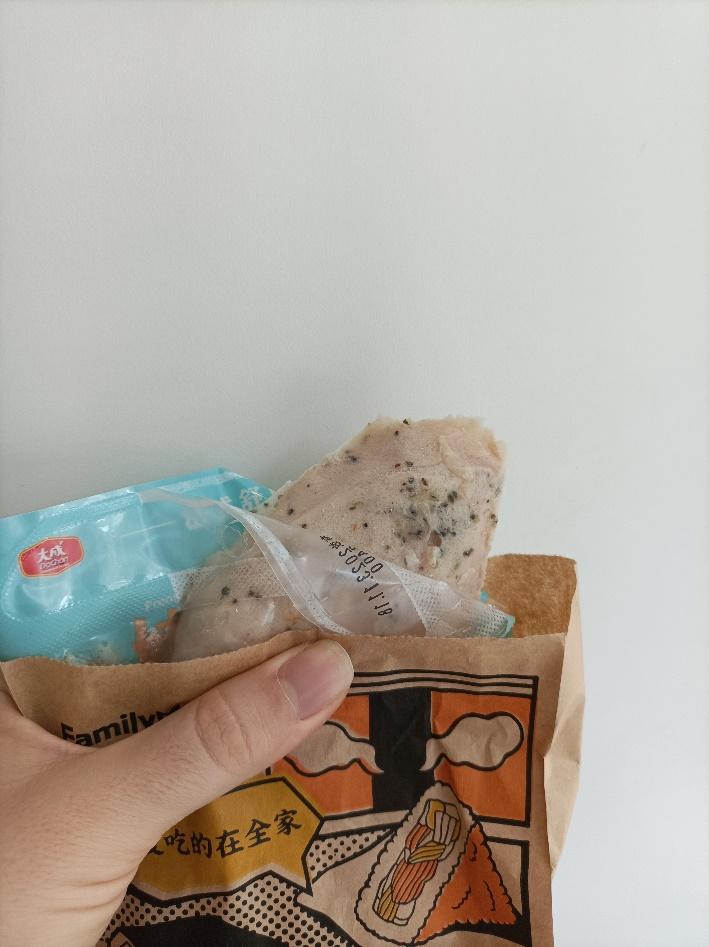
Breakfast, afternoon snack(s), and after dinner snack(s) generally consisted of one or two prepackaged, preseasoned, microwaveable chicken breasts. These are available in all of the convenience stores in Taipei, which made my life a lot easier! My favorite flavors were “smoke flavoring” and “black pepper” (pictured below).

Lunch was meat and veggies. I often would get chicken breast and another type of meat, as in the picture below. The leanness of the meat was, at times, arguable! Perhaps eating slightly fattier meat sometimes was a good thing, though?

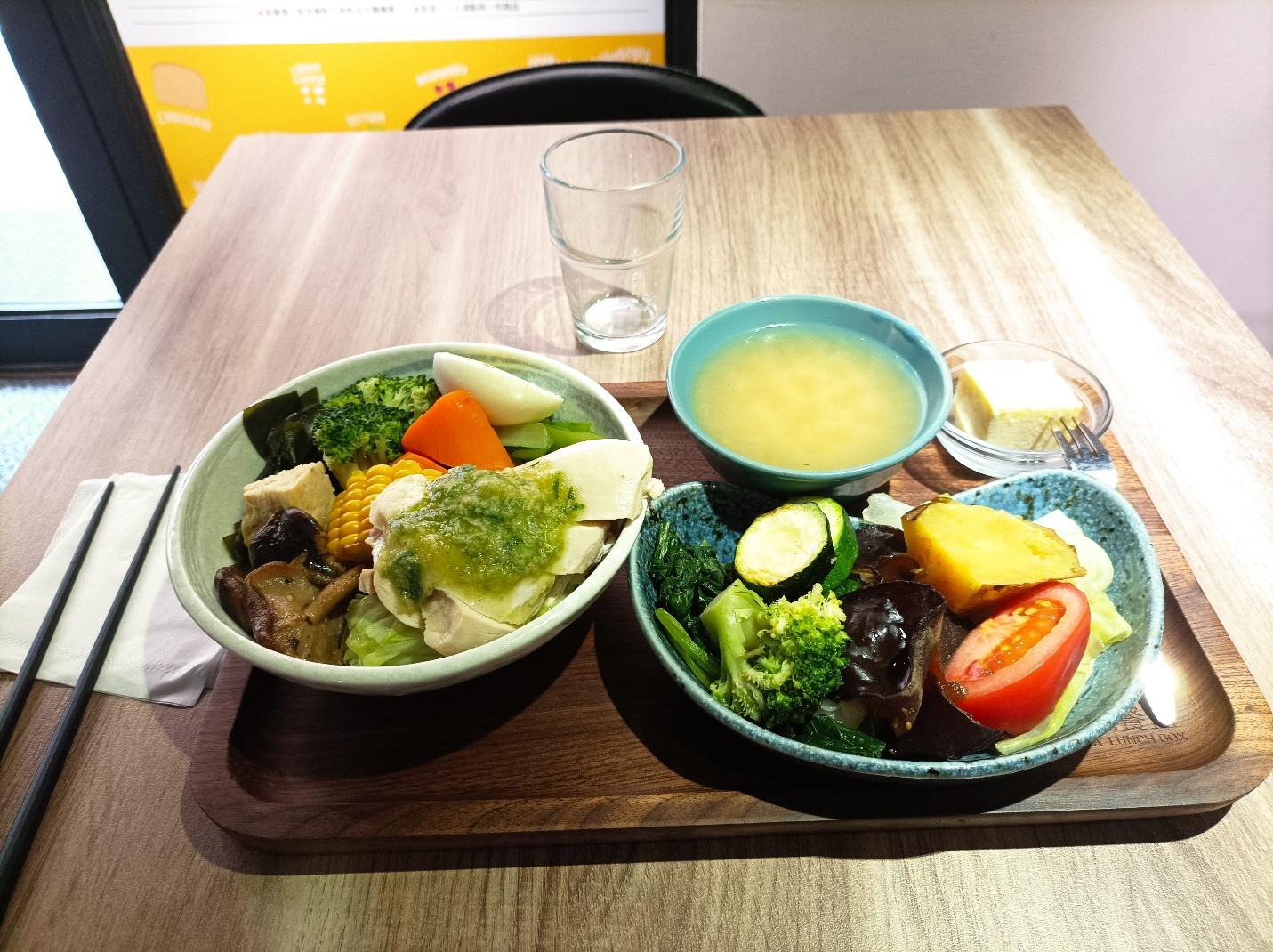
For dinner, I generally ate the same meal, at the same restaurant, every day, because it was really good and relatively filling! The vegetables were different every day, depending on what the restaurant had on hand:
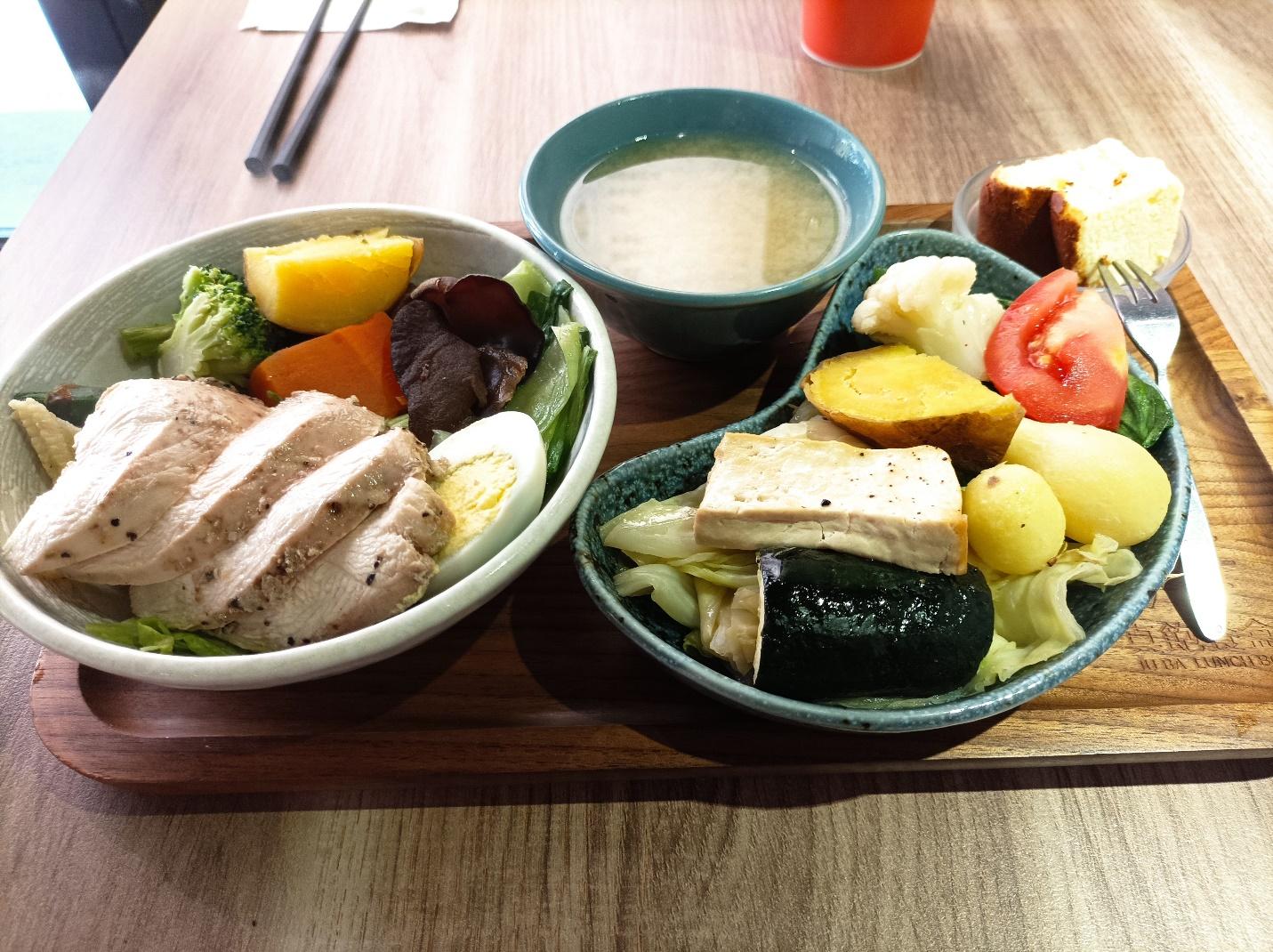
Looking at the above picture, you can see that I was pretty flexible with my definition of “veggies.” I considered cooked potatoes and cooked sweet potatoes to be fine.
I didn’t eat any tomatoes that were included in my meals, because I don’t like tomatoes, but I did sometimes eat tofu, considering it a sort of protein, although I later regretted this.
Dinner came with a small bowl of miso soup and a small block of spongy cheese cake, which I happily ate. This didn’t seem to affect the diet.
Results
The graphs below are provided in both pounds and kilograms.


I started my diet around 177lb (80.1kg) and ended around 165lb (74.8kg). Over 30 days, I’d lost 11.5lb (5.3kg), for an average loss of ~0.4lb (0.177kg) per day!
I did take a five day vacation during the diet, where I gained 2.5lb (1.1kg), but amazingly, I lost it all again the first day that I returned to the diet!
I feel like the vacation clutters the graph a bit, so here’s another version with it omitted:
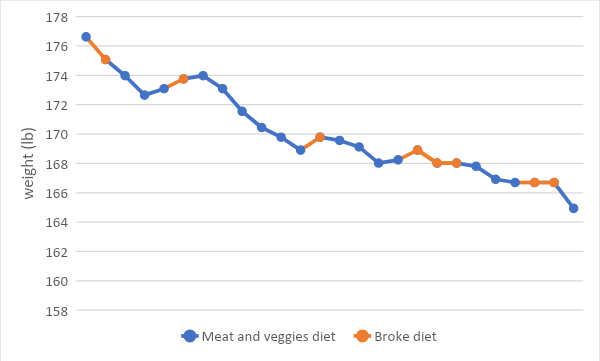

If we don’t count the vacation, then I only dieted for 25 days and averaged a loss of 0.5lb (0.18kg) per day. I’m not sure that’s a fair way to look at the data, but it’s interesting to consider.
Analysis
On the very first day, I broke the diet (lol) and had some bread with lunch but still lost weight.
Other than the first day, I gained weight whenever I broke the diet. This was a bit surprising. I would have imagined that eating curry rice for lunch, spicy tofu rice for dinner, or a strawberry cream puff as an afternoon snack would have resulted in less significant weight loss for the day, but instead it made me gain weight. Not only that, but every time I broke the diet, it took another day or two to start losing weight again! Another way to say this is that pretty much every time I broke the diet, even minorly, it derailed my weight loss for about three days.
On days where I actually stuck to the diet, though, I lost 0.7lb (0.3kg) per day, which was insane.
Feelings
I’d like to talk about how the diet felt.
The diet felt hard. I often felt like my blood sugar was low, causing me to break out in sweat. My energy was lower than normal. Sometimes I had heart palpitations. I’d get heat flashes a couple of times a day, and my body temperature sometimes felt higher than normal.
The saving grace was that losing 0.7lb every day that I kept to the diet was very motivating. I’d be tempted to quit nearly every day, but I’d convince myself to at least wait until the next morning. On days where morning came and I’d lost a ton of weight, I had good motivation to keep going, and on mornings where I hadn’t lost any weight, at least I knew it was probably because I’d recently broke the diet.
The general flow of the diet felt something like this: Diet hard for several days. Feel as though I just could not continue and eat some carbs. Resume the diet but not lose weight for 2-3 days. Start losing weight again. Repeat.
Although my overall memories of the diet were that it was hard and I often wanted to quit, I also remember having a few positive feelings. Having a goal and working hard towards that goal felt really good. It’d been a while since I’d had a goal that I’d worked hard towards. I also remember having feelings of being “healthy” and “clean,” although those feelings were usually soon overshadowed by hunger.
Other thoughts
Especially in the afternoon, I’d often experience strong feelings of anger or sadness and would break out in cold sweat. In my experience, these are signs of having low blood sugar. The solution was simple: Even if I wasn’t hungry, eat a couple of chicken breasts.
I think this bears repeating: If you attempt this diet, you may find yourself getting very emotional, perhaps even dangerously so. Please be very careful, and go eat if you’re feeling terrible! And if you feel like you’re dying, consider stopping the diet!
During the diet, I drank much more caffeine than normal, mainly black coffee, very strong black tea, and very light green tea. In my experience, caffeine can act as a blood sugar regulator, and that may have been particularly important during this diet.
Back when I was skinny, I used to consume a lot more caffeine, and I remember thinking several times during the diet “This is how I felt during college!” Perhaps there’s something to be said for eating little and drinking lots of caffeine.
I was also amazed at how much fuller eating large amounts of cooked veggies made me feel. Indeed, I think there is much potential for designing a diet centered around eating a massively increased amount of cooked veggies.
Future improvements
If I were to do this diet again, I’d probably try to avoid tofu. It felt like every time I ate tofu, I either gained a bit of weight or didn’t lose as much as I should have. I didn’t keep good enough notes to be sure of this, though.
Thanks
Thanks be to God, always!
Thanks to my brother for teaching my sister this diet, and thanks to my sister for teaching it to me! And thank you to Slime Mold Time Mold for publishing this! 🙂
Closing thoughts
Although I did lose an insane amount of weight during the meat and veggies diet, I’m not sure I’d advise other people to try it. There were several times where I literally felt like I was dying (did I mention the heart palpitations?), and I think it’s possible that if I hadn’t broken the diet as many times as I did, I might not have made it.
I did learn quite a bit from this diet, though. Chicken breast is now my go-to breakfast food and snack, and I try to work a lot more cooked veggies into my diet.
If you do attempt this diet (or a variation of it), I’ve created r/meatveggiesdiet for people to share their experiences, or feel free to use the #meatveggiesdiet hashtag on Twitter/Instagram. Again, I’m not recommending that people try this diet, but if you do, it might be good to have a support group!
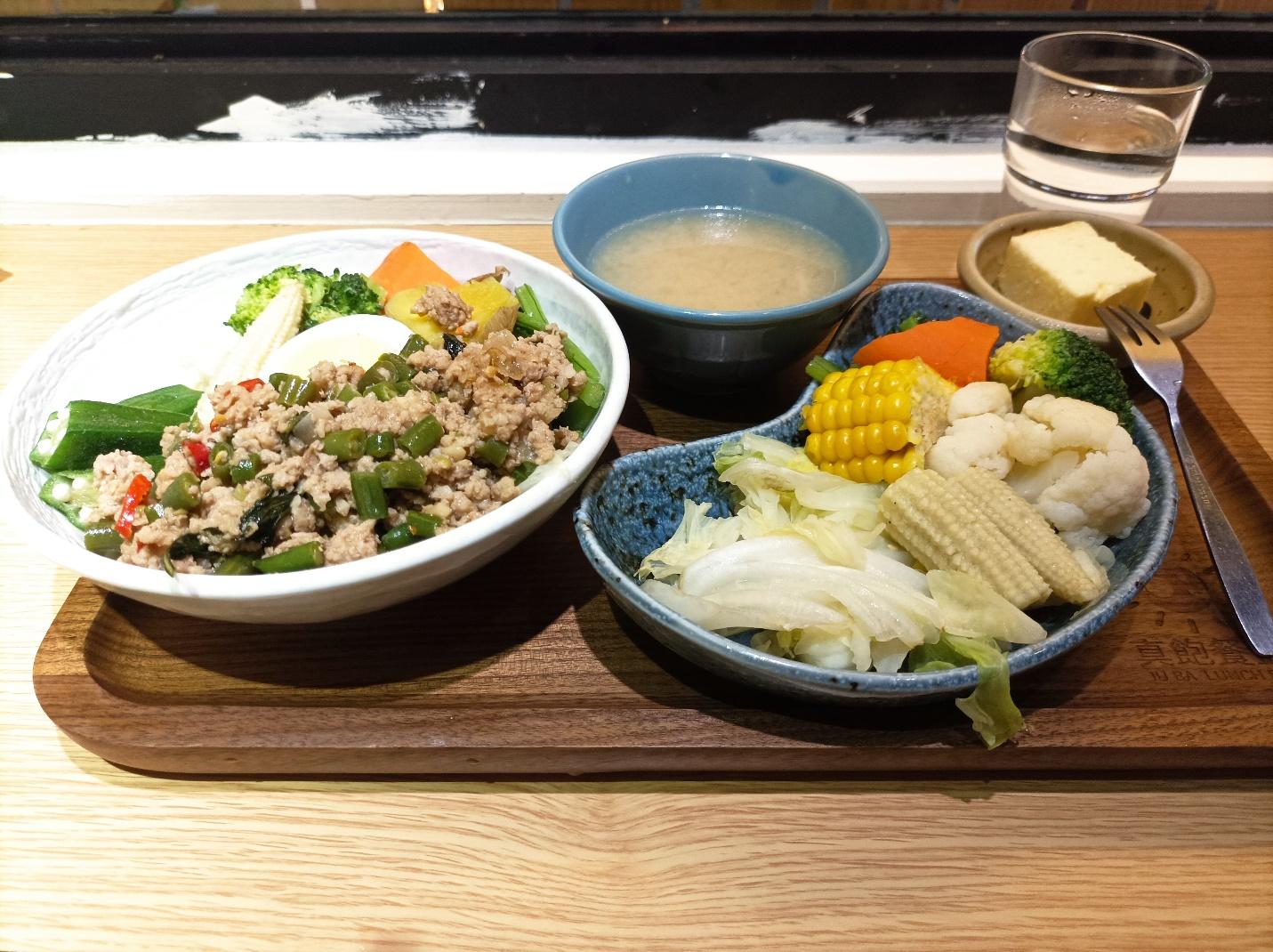
Finally, I’d like to include some more pictures of what I generally ate each day. Eating lean meat and veggies doesn’t have to be boring!
Chicken breast with black pepper seasoning:
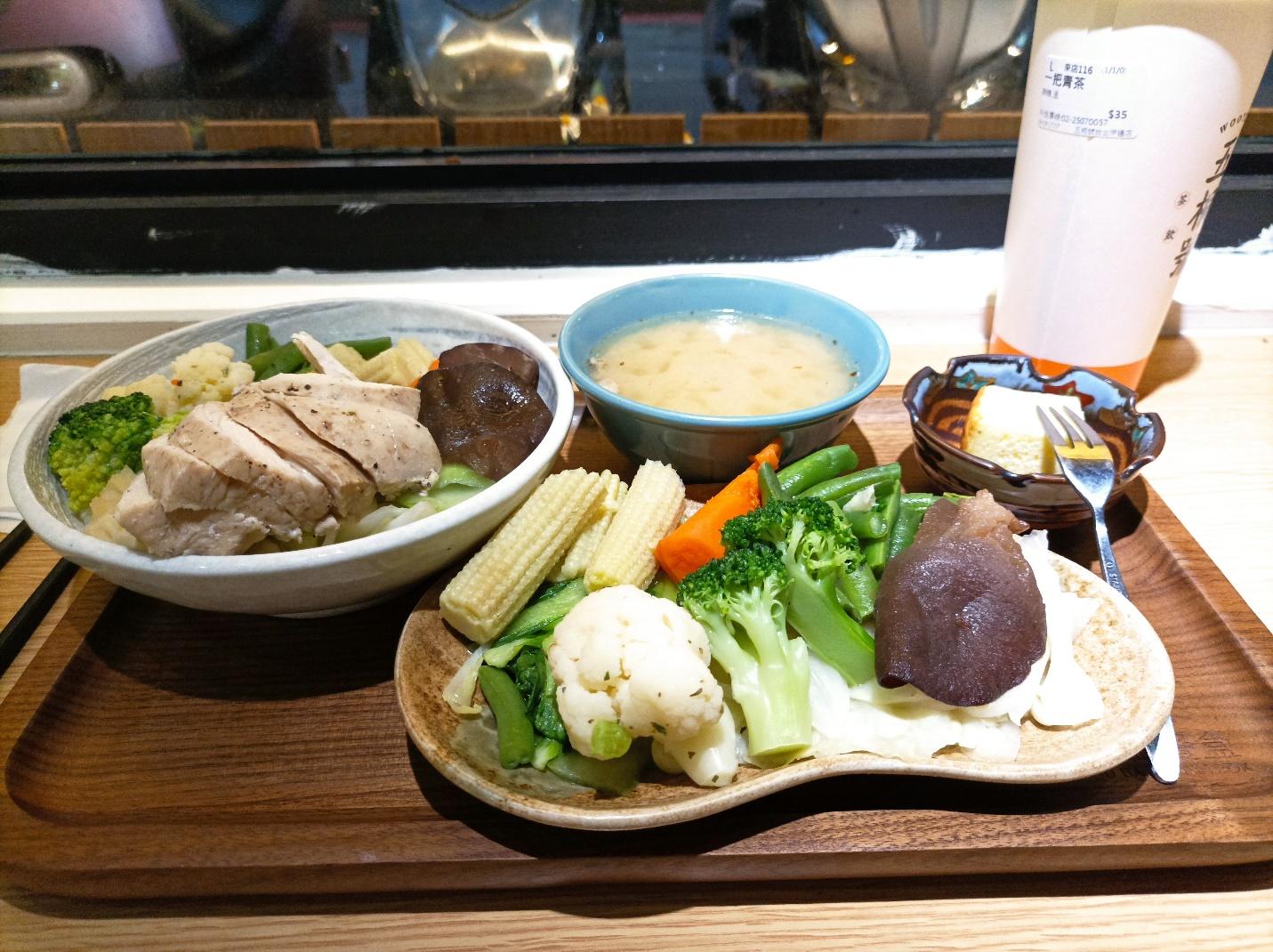
Chicken breast with green onion (scallion) sauce:
Steamed/boiled ground pork (This was one of my fattier meals, and I didn’t eat this often):
SMTM’s Response
Hi Neoncube!
Amazing, this is so cool! We did have a few questions:
First, what do you normally eat? This looks kind of like it works by elimination, so it would be interesting to know what you are eliminating. A lot of bread? Omelettes? Rice? Tofu?
Second, we can’t remember, have you tried the potato diet before? It would be interesting to know whether or not that works for you, given that meat + veggies works.
Your Friends,
SLIME MOLD TIME MOLD
NeonCube’s Response
Yay, I’m glad you like it! ^_^
About a year ago, I tried the potato diet for 13 days (with a few cheat days), losing 2.3kg (5lb). The potato diet and the meat and veggies diet had some similarities, with me experiencing heat flashes, sudden depression/anger, and general feelings of weakness during both diets.
It’s interesting that you mention this possibly being an elimination diet. I’d done some thinking along those lines, too, although most of my thinking for this diet had focused on a different question: Why did this diet make me lose weight so quickly? I have a few theories:
- Protein is a complex molecule. Perhaps every time I ate, a significant portion of the meal’s energy was spent on breaking down the protein in the meal.
- Perhaps the diet allowed me to run a caloric deficit without putting my body into starvation mode.
- Perhaps a diet of all meat and veggies is lacking something that the body needs, and it has to tap into its fat stores to get that crucial element.
Let me gather some pictures of what I used to eat. I think that’ll be more entertaining and informative than just descriptions.
…
Here they are, pictures of what I often ate before starting the meat and veggies diet!
Breakfast was the same every day: A light, unfilled piece of bread called a “cow horn”:

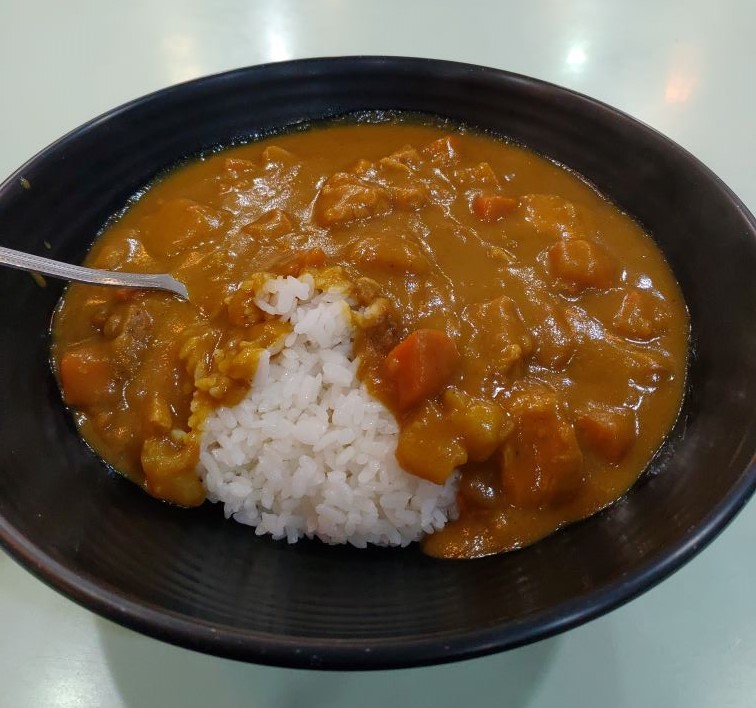
My favorite lunch was curry (chicken, carrots, and potatoes) and rice:
Dinner varied a lot, but one of my mainstays was this Mexican rice bowl. I may have been adding grated cheese and guacamole:

I also split something like this with my girlfriend a couple of times a week (tofu, stir-fried beans, Kung Pao chicken, and 1-2 bowls of rice):

For dessert, the convenience stores have soft-serve ice cream:

Shaved ice was also another option. Pictured here: Unsweetened ice with chocolate syrup, cereal flakes, bananas, sweetened condensed milk, and pana cotta.

P.S.
A random thought: I drank a fair amount of Chinese bitter tea (“kucha” – 苦茶) during this diet. Specifically, I drank about 3/4cup of it once every 2-3 days, pretty much always immediately after dinner. I think bitter tea is supposed to be somewhat of a dieting drink. For me, it seemed to have a stabilizing effect on my blood sugar levels, and it also had the effect of very quickly inducing bowel movements. (I can’t find much English information about bitter tea, but Wikipedia has an article about Theacrine, which is apparently the tea’s active ingredient. Interestingly, that article says that Theacrine is similar to caffeine, which I also found helped me regulate my blood sugar levels).
SMTM’s Response to the Response
This is great!
One other question: We’re wondering if this diet would work in other places (like the USA) or if it would only work in Taiwan. The other people you mention who had success with this approach are your brother and your sister (already interesting since they’re close genetic relatives) — do they live in Taipei, or did they try the diet while living somewhere else?
Neoncube’s Response to the Response to the Response
Good question! Both my brother and sister were in the U.S.A. when they did diets like this one. My brother was in Boise, Idaho. I’m not sure which part of the U.S. my sister was in.
I do know of one non-relative who’s done this diet: My Taiwanese ex-girlfriend. I didn’t mention her, because when she did the diet, she went hardcore and combined the meat and veggies diet with intermittent fasting. If I remember correctly, she ate just two meals each day, both consisting of meat and veggies, with the meat often being chicken breast or fish. I think she would also drink a liter of Coca-cola when she felt her energy was low, and she might have done some light snacking, as well. She did this for at least six months and was still doing it the last time that we spoke. I honestly don’t know how she did it. She did lose a ton of weight, though.
 SLIME MOLD TIME MOLD
This sounds a lot like my experience with Keto (which got me from 160kg to 90kg over ~1.5 yrs), which also had a pace of 0.3kg/day when I really committed. I mostly did that with chicken breast + zucchini as the baseline meal, which often allowed me to eat it as the only thing I ate in the day, bringing the kcal income to about 1000.
More important to me than this (which – like, yeah any diet could just say “just eat way less than your BMR lol” but we all know it’s not that easy or we would just *do* that and solve obesity once and for all) is what I call defeating The Hunger. (This is in reference to The Thrill from the Stormlight novels, an external force that *makes* people revel in combat and really get into it, driving them to do worse things in war than they would usually do). The Hunger isn’t just regular hunger or snackiness, but the (presumed, unnamed) eating disorder I am self-diagnosing myself with. If there’s food at home, it will be eaten. When buying groceries, the amount I planned to get would always be less than what I actually bought. It feels like a genuine external power affecting me, an outside force pushing me to do things I don’t actually want to do.
But once on this diet, it reliably calms The Hunger. I can look at choices of what to eat from a reasonable and distant perspective and *actually hold myself* to what I wanted to do.
To balance this: I don’t tend to be emotional, so it mostly just dragged down my average experience of every day by about 20%. It was just less fun to do anything and I probably was less fun to be around. If things at work got really bad, I tended to take breaks from the regimen because I didn’t want to burn the candle from both ends.
LikeLike
Thanks for this. Completely separate from weight loss et al, I’ve noticed a very persistent theme over the years – it is VERY common for people who stop eating bread/white rice/”white carbs” to report heightened emotions, heightened sensitivity, feelings of fragility/weakness, being overwhelmed by feelings, painful memories being relived, etc.
Frankly, it reminds me exactly of AA where people going sober start coming to grip with feelings and memories that the alcohol had been keeping repressed. And while it may be therapeutic and ultimately rewarding to process these feeling and memories from a sober standpoint, it is a SCARY thing to go through. Might it be that “white carbs” are also some kind of insulator against painful emotions/repressed trauma, etc? And maybe that’s part of the appeal of these “white carbs”? Goodness knows, a lot of AA folks get HEAVILY into white sugar consumption, especially at the beginning of their sobriety.
Not sure how potatoes plays into this, so would love to see some data/anecdotes about it. Did any “all-tater” folks go through something similar involving heightened emotions?
LikeLike
During Houston’s Harvey flood, with my home ruined, I stayed weeks at a friends home where for reasons I won’t elaborate we ate only protein ( meat, fish, poultry) and veggies plus sweet potatoes. I also ate nuts by the fistful and apples. Absolutely no grains of any kind and no white potatoes. Yes to beets. I felt great and only noticed I was loosing weight when my clothes started falling off me. I lost 25 lbs in 6 painless weeks. Even when at home I added lentils and other legumes the weight loss continued. My MD insisted I stop the weight loss so I added oatmeal, white potatoes, occasional pasta, and rice back into the routine. It has been 6 years and I have kept off the weight (and had to have my clothes altered!. Now I eat everything (Mediterranean style). I don’t believe any weight loss system should make one feel ill. Your body is telling you to do something else.
Nora Klein
LikeLiked by 1 person
> Perhaps eating slightly fattier meat sometimes was a good thing, though?
Sheesh, I should very well think so! There isn’t much we really know about nutrition, but we do know there are nutrients that don’t absorb well if you aren’t getting some fat in your diet.
LikeLike
You may have had keto flu from insufficient saturated fat. And it is no surprise that going off keto would lead to weight gain, but it may have been water weight as you switched back to glucose metabolism.
LikeLike