Runner up titles: Son of CICO, 2 CI 2 CO, Revenge of CICO, CICO 2: Judgement Day, CICO Returns, CICO! Here We Go Again, CICO’s Bogus Journey
Calories In Calories Out (CICO) gave us more trouble than any other section we worked on when writing A Chemical Hunger.
Part of the problem is that CICO means different things to different people, and covers a number of loosely related hypotheses. We found it hard to disentangle these when we were writing Part II. A number of times we circled back to our section on CICO and tried to reorganize it, or re-write it entirely, but we weren’t able to figure out a way to clarify the argument to our satisfaction.
But feedback on the posts has proved extremely helpful, and we think we can now do a better job explaining what we meant. Special thanks to commenters-on-the-blog Richard Meadows and Grat Ivar, to fellow bloggers Alvaro de Menard and Stephen Malina, and commenters on MetaFilter and Hacker News, for helping us clarify our thoughts on this.
Linear Relationships
One way to interpret CICO (or one sub-hypothesis) is that it claims there is a strictly linear relationship between calories eaten/burned and weight change. This is specified if we take “weight gain = calories in – calories out” literally. Essentially, this hypothesis says that overeating by the same amount should always lead to the same amount of weight gain.
This is clearly false. The overfeeding studies provide extremely strong evidence against this version of CICO, since people gain very different amounts when overfed by the same amount, the difference appears to be mostly genetic, and some people actually lose weight, even when overfed by moderate (1000 kcal/day) amounts. Many people still believe something like “for every extra 3500 calories you eat you always gain one pound”, but all available evidence comes down very strongly against that.
At low levels of overfeeding, people at normal weight often don’t gain any weight at all. We liked how sdenton4 on Hacker News put it: “It’s pretty obvious the body has other ways to dump excess calories than turning them into fat stores.”
Willpower
In Part II, we quote Stephan Guyenet as saying, “This model [CICO] seems to exist mostly to make lean people feel smug, since it attributes their leanness entirely to wise voluntary decisions and a strong character. I think at this point, few people in the research world believe the CICO model.”
What does Guyenet mean here? A common interpretation tied up in CICO is that differences in willpower explain the difference between obese and lean people. The idea is that weight gain is easy and weight loss is hard for everyone. This interpretation says something like, everyone would be 300lbs if they didn’t use their willpower to eat healthy foods rather than cake — you have to control yourself. From this perspective, people who are obese lack willpower and people who are thin/fit are virtuous resisters of temptation.
The overfeeding studies also provide strong evidence against this hypothesis, since they find that it is hard for most people to gain weight and easy for them to go back exactly to the weight they were before the overfeeding. We think this leaves “willpower” explanations dead in the water. Most skinny people have no trouble staying that way.
While not everyone means this when they say “CICO”, many people do, and we wanted to address this aspect of CICO because it is a common misconception. There’s also a strong moral reason to argue against this aspect of the hypothesis, because the idea that obesity is the result of lapses or weakness in willpower has been used to justify many cruel and ineffective positions. People who believe that obesity is the result of laziness and weak willpower believe that people with no moral fiber can be recognized on sight. As a result, they do things like treat overweight and obese people with disrespect, make jokes about them, don’t hire them, don’t give them proper medical treatment, etc. They think that shaming and social stigma are effective interventions against obesity. Some think that overweight and obese people should feel ashamed of their weight. This is as horrible as thinking that cancer patients should feel ashamed and responsible for falling sick.
In addition, placing the blame on willpower and moral failing, and treating individual responsibility as the appropriate intervention, means abandoning the search for the causes of obesity. If you think obesity is largely the result of willpower, then there’s no mystery or need for a solution. But in fact obesity is not the result of willpower, and obesity remains very mysterious. Let’s quote that article from The Lancet again: “unlike other major causes of preventable death and disability, such as tobacco use, injuries, and infectious diseases, there are no exemplar populations in which the obesity epidemic has been reversed by public health measures.”
Calories Lead to Weight Gain
Another interpretation is something like “calories matter for weight gain”. Other things being equal, you generally gain weight when you eat more calories and you generally lose weight when you eat fewer calories.
We are not trying to argue against this at all! If you eat 400 kcal/day, you will lose weight (there are studies on this). If you eat 10,000 kcal/day, you will gain weight (there are studies on this one too). But the amount of calories you eat matters much less than most people think, and there isn’t a strong linear relationship between calories consumed and weight gained (see above).
You can lose weight by consistently eating at a calorie deficit, but people who do this either struggle to maintain their lower weight or gain it back. For two people who are the same height, one might weigh 150 lbs and the other weigh 200 lbs. If the 200 lb person loses 50 lbs, it will be hard for them to maintain a weight of 150 lbs, but easy for the person who weighed 150 lbs to begin with. Why is that? And why has the number of people struggling with their weight grown so dramatically since 1980?
There may be some people with exceptional willpower and incredible support systems that can lose lots of weight and keep it off — in the same way that stage magicians with incredible willpower and lots of training can learn to hold their breath for 10+ minutes underwater. The question is why they would need to use their incredible willpower in the first place! Maybe willpower can be a solution, but it’s not the cause — it doesn’t explain the differences between 1980 and today.
What about those Calorie Intake Numbers?
A bunch of readers zeroed in on this paragraph:
It’s true that people eat more calories today than they did in the 1960s and 70s, but the difference is quite small. Sources have a surprisingly hard time agreeing on just how much more we eat than our grandparents did, but all of them agree that it’s not much. Pew says calorie intake in the US increased from 2,025 calories per day in 1970 to about 2,481 calories per day in 2010. The USDA Economic Research Service estimates that calorie intake in the US increased from 2,016 calories per day in 1970 to about 2,390 calories per day in 2014. Neither of these are jaw-dropping increases.
People pointed out that this is about a 20% increase in calories, which doesn’t seem to match our description of the increase as “quite small”. So let’s take a second to unpack our reasoning.
First of all, this was a smaller increase than we expected. We know that even a small daily change adds up over time, but we expected the change in daily calorie intake since 1980 to be much larger.
Partly this is because once you gain weight, you burn more calories (because it takes more energy to move and maintain physiological function) and you need to eat more calories to maintain your weight. Studies show that people with obesity eat and expend more calories than lean people. From this study, for example, consider this sentence: “TDEE was 2404±95 kcal per day in lean and 3244±48 kcal per day in Class III obese individuals.” From this perspective, the average daily consumption per Pew being 2,481 calories per day doesn’t seem like much — that’s about what lean people expend daily. Obese individuals generally burn 3000+ kcal/day, and while not every modern person is obese, it does make the increase from 2,025 calories per day in 1970 to about 2,481 calories per day in 2010 look relatively small.
This is something of a chicken and the egg problem. We could weigh more because we eat more calories, but we could also eat more calories because we weigh more, and we need to eat more calories to continue functioning at that weight. You may say, “but if you eat less at a higher weight you will dip into fat stores to make up the difference”. Not if your set point is too high you won’t! If you eat less than you need and your body wants to defend your current weight, you will crave food and feel tired and stupid. Sound familiar?
In addition, there’s some evidence that back around 1900 people ate more than they did in 1960, without much more exercise, and they weren’t obese — though take this one with a grain of salt, since for the obvious reasons, we don’t have great calorie data from back then. This is mentioned in the paragraph immediately following the one quoted above:
If we go back further, the story actually becomes even more interesting. Based on estimates from nutrient availability data, Americans actually ate more calories in 1909 than they did in 1960.
For the sake of argument, let’s accept that an increase of 400 kcal/day is a meaningful amount. Let’s further assume that the 400 kcal/day increase is entirely responsible for the increase in the rate of obesity since 1980. Even if the increase is meaningful and driving the obesity epidemic, we have to ask, why are people eating more now than they used to?
Just because calories are causally involved doesn’t mean they’re the “first cause”, the cause we should be looking for. Imagine there were an evil dictator that went around force-feeding people. These people would gain weight (per the overfeeding studies) and in some sense the calories would cause the weight gain. But if we’re being reasonable, the insane dictator is the cause, and the calories are just the mediator.
We know people do eat a bit more today than in the 1970s. So the question is something like, in this case, what is the insane dictator? When we say “not CICO” part of what we mean is “not willpower”.
Miscellaneous
Another point worth mentioning is that there seem to be different kinds of weight change.
One is the kind of weight change that happens around your set point. For most people, changing your weight by 5-10 pounds in either direction will be relatively easy. This may be possible through diet and exercise; the amount of weight change may even have a close linear relationship with the amount of calories you add or remove from your diet! In this limited sense, CICO may be a useful guideline.
This is very different from major changes in fat mass! All available evidence suggests that it is very, very hard to lose more than 10 or so pounds and keep it off, probably because it involves fighting your lipostat’s setpoint.
Another kind of weight change has to do with changes in muscle mass. Altering your body composition to have lower fat/higher muscle percentages can occur without changing your set point and result in significant visual differences. We suspect that weight gain and weight loss work differently in bodybuilding because that involves weight change driven by increases in muscle mass, not fat mass. We’re perfectly willing to believe that people can gain and lose muscle mass in a reliable way based in part on caloric consumption, but that’s not the focus of A Chemical Hunger.
Cutting fat gained when increasing muscle mass might also be relatively easy, because that’s more fat than you “naturally” had before the gains. More body fat should lead to more leptin, but your body had you at the leptin level it wanted you at before, so the leptin-based part of the lipostat will help you lose that fat mass. But changing fat mass alone seems pretty dang hard.
Only one theory can account for all of the available evidence: the obesity epidemic is caused by one or more environmental contaminants, compounds in our water, food, air, at our jobs and in our homes, that change how our bodies regulate weight.
These contaminants are the only cause of the obesity epidemic, and the worldwide increase in obesity rates since 1980 is entirely attributable to their effects. For any two people in a group, the difference between their weights is largely genetic, because everyone is exposed to similar levels of contamination. But the difference between the average weight in 1980 and the average weight today is the result of environmental contaminants.
3.1 Weight Gain in Response to Medication
We know that this is biologically plausible because there are many compounds that reliably cause people to gain weight, sometimes a lot of weight.
Weight gain is a common side effect of the psychiatric drug Haloperidol (Haldol). In one study, average weight gain on Haloperidol was 8.4 lbs (3.8 kg) at 3 months and 21.3 lbs (9.7 kg) at 1year. There was a lot of variation between individuals though. If we assume that weight gain was approximately normally distributed, some back-of-the-envelope statistics suggest that about 2% of patients would gain 60 lbs or more after 1 year.
We need a theory that can account for all of the mysteries we reviewed earlier. Another way to put this is to say that, based on the evidence, we’re looking for a factor that:
Changed over the last hundred years
With a major shift around 1980
And whatever it is, there is more of it every year
It doesn’t affect people living nonindustrialized lives, regardless of diet
But it does affect lab animals, wild animals, and animals living in zoos
It has something to do with palatable human snackfoods, unrelated to nutritional value
It differs in its intensity by altitude for some reason
And it appears to have nothing to do with our diets
Environmental contamination by artificial, human-synthesized compounds fits this picture very well, and no other account does.
Mystery 1: The Obesity Epidemic
People were skinny before the modern era because these contaminants didn’t exist back then.
People’s diets were “worse” in the past — full of lard and bread — because diet doesn’t cause obesity. The ~1% of people who were obese in the past were people with one of the various medical conditions known to cause obesity, such as Prader-Willi Syndrome, hypothyroidism, or hypothalamic lesions.
Mystery 2: An Abrupt Shift
People rapidly started getting more and more obese starting around 1980 because the contaminants are the product or byproduct of some industrial process. We’re looking for compounds that were invented around 1960 or 1970, because it would probably take a few years for enough to get into the environment to start affecting us.
Alternatively, these might be compounds that had been invented much earlier, but only began to see widespread deployment around 1980. Either way, we’re looking for that abrupt shift.
Mystery 3: The Ongoing Crisis
The obesity epidemic keeps getting worse because these contaminants continue to be produced and continue to build up in the environment. Every year they accumulate and each of us gets a larger dose. This suggests that we are looking for compounds that don’t break down easily, or at least are being introduced into the environment faster than they break down.
Mystery 4: Hunter-Gatherers
Different groups of hunter-gatherers remain lean while eating very different diets because the human body can thrive on many kinds of food. Some of the diets are extremely high-fat. Some of them are extremely high-starch. Some of them are extremely high-sugar. Some eat an extremely varied diet, while others get almost half of their calories from a single food source. But they don’t become obese, because they’re eating fat right off the gemsbok or yams straight out of the ground, and living in grass huts.
It’s true that none of the Kitavans living on the island were at all overweight. But there were actually two overweight Kitavans — both men who had grown up in Kitava, had since moved away for many years, and who happened to be visiting at the time of the study. Lindeberg managed to examine one of them, a 44-year-old businessman named Yutala, who had left the island fifteen years earlier to become a businessman in Papua New Guinea. At the time of the study, Yutala was almost fifty pounds heavier than the average Kitavan man of his height, twelve pounds heavier than the next heaviest man, and had the highest blood pressure of any Kitavan Lindeberg examined.
When he moved away from the island, Yutala was exposed to a modern way of living. More importantly, he was exposed to the contaminants of an industrialized society. As a result, he became overweight.
Yutala isn’t an isolated case. In fact, this happens with some regularity. Lindeberg notes, “an epidemic of obesity and weight gain has occurred in former traditional populations that transitioned to a Western lifestyle,” and cites a total of 17 sources to support this claim, including examples from Sudanese communities, Native Americans, Pacific Islanders, South Australian Aborigines, and the people of Vanuatu. “When humans switch from an ancient to a Western lifestyle,” he says, “they experience increased waistlines, reduced insulin sensitivity, higher blood pressure and a host of related disorders and diseases.“
Mystery 5: Lab Animals and Wild Animals
Lab animals and wild animals are becoming more obese because they are exposed to the same environmental contaminants that we are. If they are living around humans, in or around our buildings, eating industrially-prepared foods, or the scraps of such foods, they are exposed to contaminants in the same way as the rest of us. Even if they’re not living in close proximity to humans, these compounds are probably in groundwater and drinking water.
Mystery 6: Palatable Human Food
Lab rats gain more weight from human foods than they do from rat chow with similar nutritional properties because obesity doesn’t come from fat or carbohydrate content, but from contaminants in the food, and human food has more contaminants than the rat chow does, likely from packaging and processing.
Doesn’t this mean that avoiding packaged and processed food should reverse obesity? We think the answer is “maybe”. There’s not a lot of research on “whole foods” diets, but the evidence that we do have is quite promising. People seem to lose a reasonable amount of weight and keep it off for up to 12 months when they’re eating largely unprocessed plant-based foods. But we should be skeptical of these results until there are more studies. While this diet lowered almost everyone’s BMI, when we look at individual results, most people remained obese or overweight after 12 months on this diet. Similar findings are characteristic of Paleolithic diets. Even when the studies are conducted by advocates of these diets, they produce very moderate benefits, in one case causing only 6.6 lbs (3 kg) more weight loss than a comparison diet across a 3-month period.
There do happen to be a couple compelling anecdotes. In 2010, Chris Voigt, the Executive Director of the Washington State Potatoes Commission, vowed to eat nothing but 20 plain potatoes (and a small amount of cooking oil) for 60 days straight to demonstrate that potatoes are perfectly healthy, and in fact nutritious enough to sustain a person for quite a while.
This wasn’t intended as a weight loss diet — in fact, 20 potatoes a day was the amount he calculated he would need to maintain his weight (2,200 calories). Despite this, Voigt lost 21 pounds over his sixty-day diet. He even had trouble eating enough — he just wasn’t very hungry. Why would this happen? Well, unprocessed potatoes are about as raw a food as you can find, and won’t pick up contaminants from industrial cooking and packaging. If Voigt was being exposed to contaminants through his everyday diet, then switching to potatoes largely cooked at home would lead him to getting a much lower dose of contaminants.
Most people are likely exposed to some of these contaminants in their diet, so eating a diet with fewer contaminants helps. But most people are also likely exposed at home, at work, and through their drinking water, so diet alone can only help so much.
Mystery 7: Altitude
Obesity is less common at high altitudes because of the watershed. Environmental contaminants build up as water flows downhill and are in much higher concentrations as you approach sea level.
For example, take a look at this map of by-state obesity levels from the CDC:
Prevalence of Self-Reported Obesity Among U.S. Adults by State and Territory, 2018. Map from the CDC.
The Mississippi watershed is America’s largest drainage basin, covering 41% of the country. If you compare this map of state-level obesity to a map of the Mississippi watershed (below), you’ll see that every single state with obesity rates of >35% borders on a river from this watershed system. Also informative is that the three states at the mouth of the river, Mississippi, Arkansas, and Louisiana, are #1, #3, and #4 in the nation in terms of obesity rate (39.5%, 37.1%, and 36.8%, respectively).
Obesity rates are high everywhere in America, but we can see that they are higher in states where the groundwater has covered more distance, and had more time to accumulate contaminants (see continental watershed map below). States where groundwater comes from shorter river systems have a clear tendency towards lower (though still in the range of 25%-30%) rates of obesity.
If this is the case, we should also see similar patterns in other countries.
It’s hard to find good province-level maps of obesity for China, but most of them look something like this:
China has two major rivers, the Yangzi and the Yellow river. Comparing our map of obesity to a map of China’s rivers, we see that Shandong Province, with the highest rate of obesity, is at the mouth of the Yellow River. Shanghai, at the mouth of the Yangzi, is not quite as obese, but still more obese than the neighboring provinces. And in general we see that provinces at lower elevations are more obese.
There are always a few confusing outliers, of course. Why are Maine, North Dakota, and Alabama so obese? In China, why are Xinjiang and Heilongjian provinces so obese? The answer is that watersheds play a role in the distribution of contaminants, but are not the whole story.
In some cases, though, the answer may come back to watersheds after all. For example, Xinjiang province’s main watershed is the Tarim Basin, an endorheic basin that captures water and has no outlet. Rain that falls in the Tarim Basin flows to Lop Nur and stays there. The water might evaporate, but any contaminants it carried will stay in the basin.
We see similar trends in data from Iran. In the map of Iran shown below, you can see that many of the most obese provinces are near the Caspian Sea, another endorheic basin. We weren’t able to find similar maps for Russia or for Kazakhstan, two other large countries bordering on the Caspian, but we would expect them to look similar.
There are obvious and often extreme differences in obesity between people at 0 ft of altitude and 500 ft of altitude, both in the US and in other countries. The changes in CO2 aren’t enough to make any difference, but water runoff could.
It’s important to note that altitude itself doesn’t affect obesity directly. Instead, altitude is a proxy for how high an area is in the watershed, which is itself a proxy for how badly the local water supply is contaminated. This is why Mississippi is more obese than low-lying areas of California. In California the water supply hasn’t traveled nearly as far in its path to the ocean, and has traveled past fewer farms, highways, cities, and factories.
Mystery 8: Diets Don’t Work
Finally, no diet will reliably help because obesity isn’t caused by a bad diet and can’t be cured by a good one. Hypothetically speaking, if there was a person who was only exposed to these contaminants in their food, cutting out the contaminated food for long enough would theoretically cure them. This may be what happened with Chris Voight when he cut out everything but potatoes.
Ultimately, the fact that diets don’t work very well for most people suggests that we pick up these contaminants from other sources than just our food. Probably they are also, to varying degrees, in our water, our workplaces, and our homes.
3.3 Contamination
We aren’t the first researchers who are concerned about environmental contaminants and the role they might play in rising obesity rates. But the scope of this inquiry has traditionally been limited to how contaminants might contribute to the obesity epidemic.
One review focuses on food additives, both intentional (e.g. artificial sweeteners) and unintentional (pesticides), suggesting that “environmental contaminants are contributing to the global epidemic of obesity”, and suggests that the review will be “helpful in elucidating their role in the obesity epidemic”. Another review focused on endocrine disrupting chemicals, but closes by saying, “public health officials should think of the obesity epidemic as a function of a multifactorial complex of events, including environmental-endocrine disruptors.” Yet another mentions “nutrient quality, stress, fetal environment and pharmaceutical or chemical exposure as relevant contributing influences.”
Canaries in the Coal Mine documents the rise in obesity in wild and captive animals and suggests that “the aetiology of increasing body weight may involve several as-of-yet unidentified and/or poorly understood factors.” What factors could these be? They list a couple: viral pathogens, epigenetic factors, and at the very end of the paper, “the collection of endocrine-disrupting chemicals (endocrine-disruptors), widely present in the environment.”
A National Toxicology Program workshop from 2012 suggests that “exposures to environmental chemicals may be contributing factors to the epidemics of diabetes and obesity.” They suggest that there is a link between some forms of contamination and type 2 diabetes, but overall, they say that there is still not enough research to draw firm conclusions.
Despite this interest, all the claims have been quite mild, identifying environmental contaminants as possibly being one of many factors contributing in some small way to the obesity epidemic. In contrast, we propose that the obesity epidemic is entirely driven by environmental contaminants. The entire difference in obesity between 1980 and today is attributable to one or more contaminants that we are exposed to in our food, water, and living spaces.
Still, not everyone today is obese. There are two reasons for this. First of all, even though everyone is exposed, some people are exposed to more than other people. If you live in an environment with less exposure, for example at a higher altitude, on average you will be less obese.
Some people are also less affected by these contaminants than other people, even at the same dose, and this difference is largely genetic. But even these people probably still, on average, have much more body fat than their ancestors did. Hunter-gatherers have BMIs of around 22 or 23. Civil War veterans in the 1890s had average BMIs of about 23 as well. If your BMI is higher than 23, you’re probably fatter than you would be without the action of these contaminants.
Sometimes it is these factors in combination. If you have a genetic resistance and you’re exposed to low levels of these contaminants, you’ll be much less obese than average.
3.4 Further Evidence in Favor of Contaminants
The difference in obesity rates between countries, as well as the differences between states or provinces within a country, is also the result of differences in contamination. Some of it will be genetic, but some of it is because some places are more contaminated than others.
During the Cuban economic crisis known as the “Special Period”, obesity rates plummeted, from 14% obese to 7% obese. Normally this is attributed to the decrease in calorie consumption and the increase in exercise, as oil shortages led people to drive less and walk or bike more. But we know already that reducing consumption and increasing exercise have very modest effects on weight loss.
Distributions of BMI categories in Cienfuegos, Cuba, in 1991 and 1995.
Food was restricted, but very few people were starving. While obesity dropped from 14% to 7%, the number of people listed as “underweight” only went from 8% to 10.3% (see above). And it’s not like they were eating all that healthy — “the primary sources of energy during the crisis were sugar cane and rice.”
Rarely mentioned but particularly notable is that food imports virtually ceased during this period. If we assume that Cuban obesity was partially a result of contaminants in their food imports, this explains the data perfectly. Alternately, we can note that fertilizer and pesticide use sharply declined in this period as well, as both were normally derived from oil, which the island was now seriously lacking. These are also potential contaminants.
One surprising fact is that the most obese countries in the world by BMI are all tiny island nations in the south or central Pacific — Nauru, Tonga, Samoa, Tuvalu, Palau, the Cook Islands, and others. Depending on the year and the source, the 10 most obese nations in the world are usually small Pacific islands. Obesity rates in these countries are not merely high, they are clear outliers. The most obese mainland nations are around 35-40% obese, but these small Pacific islands have obesity rates in the range of 45-60%. Certainly this requires some sort of explanation.
To begin with, there are some reasons to suspect that this is largely an artefact. These islands all have very small populations and are genetically homogeneous, so it’s possible that much of the difference is genetic. Polynesians also appear to be slightly stouter and more muscular than other groups, which may mean that BMI is an especially bad measure for this group and leads us to slightly overestimate how obese they are. With a better measure of obesity, their obesity rates might be more similar to the rates of other very obese countries, like Kuwait and the United States.
In addition, Polynesian countries import most of their food and eat a lot of highly processed, canned meat (famously spam), which may be more contaminated than average. It’s also notable that Nauru, the most obese (61%) country in the world, has been heavily strip-mined for phosphate. This is interesting because mining is a major source of environmental contamination. For comparison, West Virginia is an obesity outlier in the United States, and it too has a long history of strip mining. In any case, this is why Nauru imports so much food — with about 80% of the island strip-mined, they can’t grow anything there. Most of these islands are not so heavily mined, of course, but this might explain why Nauru is 61% obese and Samoa is “only” 47% obese.
Current theories of the obesity epidemic are inadequate. None of them hold up to closer scrutiny, and none can explain all of the mysteries mentioned in Part I. But these mysteries are real, puzzling data about the obesity epidemic.
You’re probably familiar with several theories of the obesity epidemic, but there is strong evidence against all of them. In this section, we focus on the case against a couple of the most popular theories.
2.1 Calories In, Calories Out
A popular theory of obesity is that it’s simply a question of calories in versus calories out (CICO). You eat a certain number of calories every day, and you expend some number of calories based on your metabolic needs and physical activity. If you eat more calories than you expend, you store the excess as fat and gain weight, and if you expend more than you eat, you burn fat and lose weight.
This perspective assumes that the body stores every extra calorie you eat as body fat, and that it doesn’t have any tools for using more or less energy as the need arises. But this isn’t the case. Your body has the ability to regulate things like its temperature, and it has similar tools to regulate body fatness. When we look closely, it turns out that “calories in, calories out” doesn’t match the actual facts of consumption and weight gain.
“This model seems to exist mostly to make lean people feel smug,” writes Stephen Guyenet, “since it attributes their leanness entirely to wise voluntary decisions and a strong character. I think at this point, few people in the research world believe the CICO model.”
It’s not that calories don’t matter at all. People who are on a starvation diet of 400 calories per day will lose weight, and as we will see in this section, people who eat hundreds of calories more than they need will usually gain weight. The problem is that this ignores how the body accounts for the calories coming in and going out. If you don’t eat enough, your body finds ways to burn fewer calories. If you eat too much, your body doesn’t store all of the excess as fat, and compensates by making you less hungry later on. Calories are involved in the math but it’s not as simple as “weight gain = calories in – calories out”.
[Edit: We’ve added an interlude clarifying this section on CICO in response to reader questions and objections. If you have objections to anything below, read the interlude here because we probably address it!]
2.1.1 Common Sense
First, we want to present some common-sense arguments for why diet and exercise alone don’t explain modern levels of obesity.
Everyone “knows” that diet and exercise are the solution to obesity. Despite this, rates of obesity continue to increase, even with all the medical advice pointing to diet and lifestyle interventions, and a $200 billion global industry devoted to helping people implement these interventions. It’s not that no one is listening. People are exercising more today than they were 10 or even 20 years ago. Contrary to stereotypes, more than 50% of Americans meet the HHS guidelines for aerobic exercise. But obesity is still on the rise.
It’s true that people eat more calories today than they did in the 1960s and 70s, but the difference is quite small. Sources have a surprisingly hard time agreeing on just how much more we eat than our grandparents did, but all of them agree that it’s not much. Pew says calorie intake in the US increased from 2,025 calories per day in 1970 to about 2,481 calories per day in 2010. The USDA Economic Research Service estimates that calorie intake in the US increased from 2,016 calories per day in 1970 to about 2,390 calories per day in 2014. Neither of these are jaw-dropping increases.
If we go back further, the story actually becomes even more interesting. Based on estimates from nutrient availability data, Americans actually ate more calories in 1909 than they did in 1960.
Finally, there are many medical conditions that cause obesity. For example, Prader-Willi Syndrome, a genetic disorder characterized by intense hunger and resulting obesity, hypothyroidism, an endocrine disorder where people experience loss of appetite yet still gain 5-10 pounds, and lesions to the hypothalamus, which often lead to intense weight gain, sometimes accompanied by great hunger but many times not.
2.1.2 Scientific Evidence
In addition to these common-sense objections, decades of research suggests that diet and exercise are not to blame for rising rates of obesity.
Studies of controlled overfeeding — you take a group of people and get them to eat way more than they normally would — reliably find two things. First, a person at a healthy weight has to eat huge amounts of calories to gain even a couple pounds. Second, after the overfeeding stops, people go right back to the weight they were before the experiment.
The great-grandaddy of these studies is the Vermont prison experiment, published in 1971. Researchers recruited inmates from the Vermont State Prison, all at a healthy weight, and assigned some of them to eat enormous amounts of food every day for a little over three months. How big were these meals? The original paper doesn’t say, but later reports state that some of the prisoners were eating 10,000 calories per day.
On this olympian diet, the prisoners did gain considerable weight, on average 35.7 lbs (16.2 kg). But following the overfeeding section of the study, the prisoners all rapidly lost weight without any additional effort, and after 10 weeks, all of them returned to within a couple pounds of their original weight. One prisoner actually ended up about 5 lbs (2.3 kg) lighter than before the experiment began!
Inspired by this, in 1972, George Bray decided to conduct a similar experiment on himself. He was interested in conducting overfeeding studies, and reasoned that if he was going to inflict this on others, he should be willing to undergo the procedure himself. First he tried to double each of his meals, but found that he wasn’t able to gain any weight — he simply couldn’t fit two sandwiches in his stomach at every sitting.
He switched to energy-dense foods, especially milkshakes and ice cream, and started eating an estimated 10,000 calories per day. Soon he began to put on weight, and gained about 22 lbs (10 kg) over 10 weeks. He decided this was enough and returned to his normal diet. Six weeks later, he was back at his original weight, without any particular effort.
In both cases, you’ll notice that even when eating truly stupendous amounts of food, it actually takes more time to gain weight than it does to lose it. Many similar studies have been conducted and all of them find basically the same thing — check out this recent review article of 25 studies for more detail.
Overfeeding in controlled environments does make people gain weight. But they don’t gain enough weight to explain the obesity epidemic. If you eat 10,000 calories per day, you might be able to gain 20 or 30 pounds, but most Americans aren’t eating 10,000 calories per day.
We can compare these numbers to the increases in average calories per day we reviewed earlier. Sure, consumption in the US went from 2,025 calories per day in 1970 to 2,481 calories per day in 2010, a difference of 456 calories. But consider Poehlman et al. (1986), where researchers fed a group of 12 men 1,000 extra calories a day for 22 days. On average the men gained about 5 lbs (2.2 kg), but some of them actually lost weight instead.
And it’s not as though these participants are eating 1,000 extra calories of celery and carrots. In one study, the extra calories came from “sherbet, fruit juices, margarine, corn oil, and cookies”. But the content doesn’t seem to matter very much. Another study compared overfeeding with carbohydrates (mostly starch and sugar) and overfeeding with fat (mostly dairy fat like cream and butter). The two groups got their extra calories from different sources, but they were overfed by the same amount. After two weeks, both groups gained the same amount of fat, 3.3 lbs on average. A similar study overfed volunteers by 1,194 calories on either a high-carb or a high-fat diet for 21 days. Both groups gained only about 2 lbs of fat.
The fact that many of these are twin studies provides even more evidence against CICO. In groups of twins that are all overfed by the same amount, there is substantial variation between the different participants in general. Some people gain a lot of weight, others gain almost none. But each person gains (or loses!) about the same amount of weight as their twin. In some cases these correlations can be substantial, as high as r = 0.90. This strongly suggests that genetics plays a large role in determining how the body responds to overfeeding.
The story with exercise is the same as with overeating — it makes a difference, but not much. One randomized controlled trial assigned overweight men and women to different amounts of exercise. More exercise did lead to more body fat loss, but even in the group exercising the most — equivalent to 20 miles (32.0 km) of jogging every week for eight months — people only lost about 7 lbs.
You might think that hunter-gatherers have a more active lifestyle than we do, but this isn’t always true. The Kitavans examined in 1990 by Staffan Lindeberg were only slightly more active than westerners, had more food than they knew what to do with, and yet were never obese. “Many Westerners have a level of physical activity that is well within the range of the Kitava population,” he wrote. “Hence, physical activity does not seem to explain most of the differences in disease pattern between Kitava and the Western world.”
A recent meta-analysis of 36 studies compared the effects of interval training exercise with more traditional moderate-intensity continuous training. The authors call interval training “the magic bullet for fat loss” (this is literally in the title) and trumpet that it provides 28.5% greater reductions in total absolute fat mass than moderate exercise. But what they don’t tell you is that this is a difference between a loss of about 3 lbs and about 4 lbs, for an exercise program running 12 weeks long. Needless to say, this difference isn’t very impressive. Other meta-analyses find similar results: “neither short-term HIIT/SIT nor MICT produced clinically meaningful reductions in body fat.”
Maybe diet and exercise together are worth more than the sum of their parts? Sadly this doesn’t seem to be the case either. If anything, when combined they are worth less than the sum of their parts. One meta-analysis comparing interventions based on diet, exercise, and diet plus exercise found that people lost about 23.5 lbs (10.7 kg) on diets, 6.4 lbs (2.9 kg) on an exercise regime, and 24.2 lbs (11.0 kg) on diet plus exercise. After a year, diet plus exercise was down to 18.9 lbs (8.6 kg). Other meta-analyses are more tempered, for example, finding a loss of about 3.6 lbs (1.6 kg) after two years of diet plus exercise interventions. Again this is more weight loss than zero, but it clearly rules out diet plus exercise as an explanation for the obesity epidemic. People in 1950 were a lot leaner than they are now, but it’s not because they ate less and exercised more.
2.2 Good Calories and Bad Calories
Ok, calories themselves may not be the villain here. But maybe it’s not that we’re eating more than we used to — maybe it’s that we’re eating differently. Maybe one particular macronutrient or source of calories is to blame.
2.2.1 Dietary Fat
Dietary fat seems like a possible culprit. After all, fat makes you fat, right? Turns out it’s not so simple.
Plenty of cultures eat extremely high-fat diets and remain very lean indeed. You’ll remember that the Maasai diet is about 3000 calories per day, and 66% of that is from fat. But the Maasai don’t suffer from obesity. In fact, Kalahari Bushmen love fat and apparently wax poetic about it.
This is a little difficult to square with animal studies that find that a high-fat diet reliably leads to obesity in monkeys, dogs, pigs, hamsters, squirrels, rats, and mice. It could just be that humans are not monkeys, dogs, pigs, hamsters, squirrels, rats, or mice, and that while dietary fat has an adverse effect on these species, it doesn’t do much to us. Some of the hamster studies, for example, induced obesity simply by giving the hamsters extra sunflower seeds, a phenomenon not observed in humans. Pigs, in particular, will become obese even on low-fat diets when given the opportunity.
We even see differences within a specific kind of animal. The same high-fat diet will make one species of hamster (Syrian hamsters) obese and leave another species of hamster (golden hamsters) merely chubby. If the findings can’t generalize between different species of hamsters, we shouldn’t expect them to generalize to humans.
It could also be that dietary fat leads to obesity in mammals held in captivity, possibly due to factors like stress. Metabolic ward studies restrict your movement, but it’s not exactly like living your whole life in a laboratory cage. And it’s worth noting that about 10–15% of macaque and rhesus monkeys in captivity become obese when they reach middle age, despite the fact that they are fed a relatively low-fat (10% of energy) diet.
In any case, it’s hard to square a fat-based explanation for the obesity epidemic with the fact that fat consumption hasn’t increased in step with the rise of obesity and the fact that low-fat diets don’t lead to much weight loss.
2.2.2 Carbohydrates
Ok, maybe fat doesn’t make you fat. How about carbohydrates? All this bread can’t be good for us.
This theory is dead on the starting line, though, because as obesity has gone up, consumption of carbohydrates has gone down (see figure).
Overall carbohydrate intake from 1980 to 2010 in the United States. Figure prepared by Stephan J Guyenet, reproduced with permission.
This is enough to make it clear that carbohydrate consumption isn’t driving the obesity epidemic, but we can take a slightly closer look anyways, just to be sure.
Eating lots of carbs can actually make you lose weight. High-carbohydrate diets cause weight loss, even when not restricting calories. A study from 2003 examined low-fat diets in 16 overweight people. Naturally, this low-fat diet was high in carbohydrates. When patients started the low-fat diet and were told to eat as much as they wanted, they actually ate 291 calories less per day.
But their carbohydrate intake increased, from 253 grams per day to 318 grams per day. On this diet they lost 8 lbs (3.8 kg) on average over a 12-week period. In the DIETFITS randomized controlled trial, 609 people fed a whole-food, high-carbohydrate diet lost 12 pounds (5.3 kg) over one year, not significantly different from the 13 pounds (6.0 kg) of weight lost on a whole-food low-carbohydrate diet. The high-carbohydrate diet also supplied about 1.5 times as much sugar as the low-carbohydrate diet.
The residents of Kitava, mentioned earlier, have a diet of starchy roots and tubers. Almost 70% of their calories come from carbohydrates, but they don’t suffer from obesity, diabetes, or heart disease.
(Lindeberg also says: “The long primate history of fruit eating, the high activity of human salivary amylase for effcient starch digestion, and some other features of human mouth physiology … suggest that humans are well prepared for a high carbohydrate intake from non-grain food sources. … in contrast to most other animals including non-human primates, humans have an exceptional capacity to produce salivary amylase in order to begin hydrolysis of starch in the mouth.”)
In general, cultures with very high intakes of carbohydrate tend to be lean. Most agricultural societies around the world have a diet that is high in carbohydrates and low in fat. Agricultural societies are different from industrialized ones in many ways, of course. But even in those agricultural cultures with abundant food, people are typically lean, with low rates of diabetes and cardiovascular disease.
This is true even if the carbohydrate is white rice. In Japan, white rice is a primary staple food (p. 338), and has been for a long time. About 62% of the Japanese diet is carbohydrates, and most of this is white rice. Despite this, Japanese rates of obesity have been, and continue to be, the lowest of any industrialized nation.
In fact, people who move from Japan to the US and begin eating less white rice become much heavier. This suggests that the difference isn’t simply genetic. These immigrants do end up eating a diet much higher in fat — but of course, from the previous section, we’ve seen that fat can’t be responsible for this change.
Nor is it likely to be some other carbohydrate staple. Wheat consumption, for example, has been falling for a century. People in the US ate almost twice as much wheat (primarily in the form of bread) in the 1880’s than they do today. If wheat were responsible, people would have been massively obese during reconstruction and entirely lean today. Obviously that is not what we observe.
If the historical data isn’t enough for you, there are entire reviews devoted to the health impacts of wheat, pretty conclusively showing that it isn’t a cause of obesity.
2.2.3 Sugar
Everyone knows that added sugar is the real villain, right? Wrong again.
Sugar consumption has been declining for 20 years in the US, while obesity and diabetes rates have increased. The sugar data in the figure below includes all added sugars such as honey, table sugar, and high-fructose corn syrup, but doesn’t include sugars naturally occurring in fruits and vegetables.
Overall sugar intake from 1980 to 2013 in the United States. Figure prepared by Stephan J Guyenet, reproduced with permission.
We see something similar in what has been called The Australian Paradox, where obesity in Australia nearly tripled between 1980-2003, while sugar consumption dropped 23%.
We see that public health efforts to reduce sugar consumption have worked. In fact, they’ve worked very well. But they don’t seem to have made any difference to the obesity epidemic.
Tightly-controlled metabolic ward studies also show that the sugar content of a diet doesn’t matter much. One study of 17 men compared a 25 percent sugar, high-carbohydrate diet to a 2 percent sugar, very-low-carbohydrate (ketogenic) diet of equal calories. After four weeks, they found that the high-carbohydrate diet caused slightly more body fat loss than the very-low-carbohydrate (ketogenic) diet, despite the fact that the two diets differed more than tenfold in sugar content. We see similar results in mice and in rats: “Animals fed a low-fat, high-sucrose (LH) diet were actually leaner than animals fed a high-complex-carbohydrate diet.”
We can further cite the fact that many cultures, such as the Hadza of Tanzania, the Mbuti of the Congo, and the Kuna of Panama all eat diets relatively high in sugar (sometimes as high at 80%), and yet none of these cultures have noticeable rates of obesity, diabetes, cardiovascular disease, etc.
2.3 Diet in General
Over the past 40 years, there hasn’t been much of a change in where people get their calories from. Americans get about 50% of their calories from carbohydrates, 30% from fat, and 20% from protein, and they have for years. At the same time obesity continues to go up and up. Comparing these two trends, it’s hard to imagine that macronutrients have anything to do with the obesity epidemic.
All diets work. The problem is that none of them work very well. Stick to just about any diet for a couple weeks and you will probably lose about 10 pounds. This is ok, but it isn’t much comfort for someone who is 40 lbs overweight. And it isn’t commensurate with the size of the obesity epidemic.
Systematic comparison of weight-loss diets with different compositions of fat, protein, and carbohydrates finds that across many different reduced-calorie diets, people lose about 13.2 lbs (6 kg) over six months, and that in all cases people began to gain weight back after 12 months. It’s not just weight loss, either. Satiety, hunger, satisfaction with the diet, and adherence to the protocol is similar for all diets.
There are too many diets to review in full, of course, but we see the same pattern in every diet that has been extensively studied. Let’s look at just a few.
2.3.1 Ketogenic Diet
We’ve already mentioned a few ketogenic diets, and as we’ve seen, they don’t work much better than other diets do.
There is one meta-analysis of ketogenic diet studies, comparing very-low-carbohydrate ketogenic diets to low fat diets in overweight and obese adults. Across thirteen randomized controlled trials, ketogenic diets only caused 2 pounds (0.9 kg) more weight loss than the traditional low-fat diets after 12 months.
2.3.2 Low-Glycemic Diet
Study after study finds that low-glycemic diets don’t work for weight loss.
One study from 2007 randomly assigned 203 women to either a high-glycemic or low-glycemic diet. The difference in glycemic index was considerable, with the high-glycemic diet having an index twice as high as the low-glycemic diet. The groups consumed the same amount of calories and reported similar levels of hunger.
Despite this, there was no difference between the groups. After two months the LGI group had lost 1.6 lbs (0.72 kg) and the HGI group had lost 0.7 lbs (0.31 kg), but this difference wasn’t sustained. After 18 months on the diet, the LGI group had lost 0.9 lbs (0.41) kg and the HGI group had lost 0.6 lbs (0.26 kg), and this difference was statistically indistinguishable (p = .93). Large differences in glycemic index have no meaningful long-term (or even short-term) effect on calorie consumption or body weight.
Another 18-month randomized trial compared a low-glycemic load (40% carbohydrate and 35% fat) vs low-fat (55% carbohydrate and 20% fat) diet in 73 obese young adults in the Boston, Massachussets area. In both diets, participants were largely eating whole foods; vegetables, beans, and fruit were major components of both diets. In both diets, people were allowed to eat as much as they wanted.
Both groups reported similar levels of hunger and consumed similar amounts of calories. The two diets were rated equally easy to stick to and equally tasty. Both groups lost about 4-5 lbs after 6 months. But both groups started to gain weight back soon after. In fact, the trajectory of weight loss is so identical, we simply have to show you the graph:
Trajectory of weight loss on two diets.
Note the p-value of 0.99, which indicates that the two trajectories are about as statistically indistinguishable as is mathematically possible.
We find this in study after study. Meta-analysis also finds that low-glycemic diets don’t do any better than other diets when it comes to weight loss. When the reviewers pick out the studies that show the best performance for low-glycemic diets, they still find a difference of only 4 lbs (1.8 kg). If that’s a success, we have to wonder what failure would look like.
2.3.3 Future Dietary Explanations
Eating fewer calories will lead most people to lose a couple pounds, and it doesn’t really matter what calories they restrict. Cutting back on fat works about as well as cutting back on carbs. In both cases, a couple pounds isn’t enough to explain the obesity epidemic.
Over the past 50 years, medical science has looked at diet from practically every angle. But none of these diet-based explanations have gone anywhere. People are still getting fatter. They got fatter over the last decade. And they got fatter over the decade before that. And the one before that. Every country in the world is growing more obese. And the trend has never once been reversed.
You could certainly cook up another diet-based explanation. But there’s no reason to expect that this explanation would do any better than any of the others.
It’s time to start looking for explanations outside the world of calories, macronutrients, and exercise. At this point, we should assume that the obesity epidemic isn’t caused by our diet.
There is one theory of obesity which is almost entirely satisfying, based around the body’s ability to regulate its adiposity.
A house has a thermostat. The owner of the house sets the temperature to 72 degrees F. The thermostat detects the temperature of the house and takes action to drive the temperature to the set point of 72°F. If the house is too cold, the thermostat will turn on the furnace. If the house is too warm, the thermostat will turn on the air conditioning.
The human body has a lipostat (from the Greek lipos, meaning fat). Evolution and environmental factors set body fatness to some range — perhaps a BMI of around 23. The lipostat detects how much fat is stored and takes action to drive body fatness to the set point of a BMI of 23. If your body is too thin, the lipostat will drive you to eat more, exercise less, sleep more, and store more of what you eat as fat. If your body is too fat, the lipostat will turn on the air conditioning. Just kidding, the lipostat will drive you to eat less, move and fidget more, and store less of the food you eat as fat.
According to this theory, people become obese because something has gone wrong with the lipostat. If the owner of a house sets the thermostat to 120°F, the house will quickly become too hot, and it will stay that way until the set point is changed or the furnace explodes. Something similar is happening in obesity. The set point has been moved from a healthy and natural level of adiposity (BMI of about 23) to an unusually high level (BMI 30+), and all the regulatory systems of the body are working in concert to push adiposity to that level and keep it there.
The lipostat model is supported by more than a hundred years of evidence. By the 1970s, Dr. Michel Cabanac and collaborators were publishing papers in the journal Nature on what they called the “ponderostat” (pondero = weight). This was later revised to the adipostat (adipo = fat), and eventually, as we call it here, the lipostat.
Modern neuroscience and medicalreviewarticles (those are three separate links) overwhelmingly support this homeostatic explanation. In animals and humans, brain damage to the implicated areas leads to overeating and eventual obesity. These systems are well-understood enough that by targeting certain neurons you can cure or cause obesity in mice. While we don’t approve of destroying neurons in human brains with hyperspecific chemical techniques, the few weight-loss drugs approved by the FDA largely act on the brain (hopefully without destroying any neurons).
The lipostat explains why diet and exercise work a little, why they don’t work well enough to reverse obesity, and why even people who lose weight on diets generally end up gaining that weight right back.
In a house where the thermostat has been set to 120°F, there are a lot of things we can do to lower the temperature. We can open all the doors and windows. We can open the icebox. We can order mountains of dry ice off of the internet. All of these things will lower the temperature of the house a little, but even with these measures, the house will still be hotter than the healthy temperature of 72ºF. The furnace will work double-time to push the temperature back up to 120ºF, if it’s not redlining already. And as soon as you relax any of your heat-dissipation measures, the temperature will go right back up to where it was before.
(We can also go down into the basement and hit the furnace with crowbars until it doesn’t work very well anymore. This is a pretty extreme solution and also, incidentally, why gastric bypass surgery works so great.)
When people intentionally overeat, as in the overfeeding studies we reviewed, they temporarily gain a little weight, but when they stop overeating, they quickly return to their original weight. When people intentionally undereat, as they do on a diet, they temporarily lose a little weight, but when they stop undereating they quickly return to their original weight. In fact, they usually return to near their original weight even if they keep undereating. The lipostat has a target weight and, when not actively opposed, it will push your body weight to that weight and do its best to keep it there.
There are many signals that the brain uses to measure how much fat the body is carrying. One of the most important is the hormone leptin, which is naturally produced by fat cells. Part of the action of the lipostat is making sure that leptin levels are kept within a desired range, which helps keep us at a desired weight.
Very rarely, people are born with a genetic mutation that makes it so their fat cells no longer produce leptin. The lipostat notices that it isn’t detecting any leptin, and assumes that the body has no fat stores at all, with predictable results. Usually these children are of normal birth weight, but from the first weeks of their lives, they are insatiably hungry. By age two, they weigh more than 50 pounds, and may be as high as 60% fat by weight. They have a truly incredible drive to eat:
. . . leptin-deficient children are nearly always hungry, and they almost always want to eat, even shortly after meals. Their appetite is so exaggerated that it’s almost impossible to put them on a diet: if their food is restricted, they find some way to eat, including retrieving stale morsels from the trash can and gnawing on fish sticks directly from the freezer. This is the desperation of starvation [. . . ] they become distressed if they’re out of sight of food, even briefly. If they don’t get food, they become combative, crying and demanding something to eat.
The lipostat account is extremely convincing. The only weakness in the theory is that it’s not clear what could cause the lipostat to be set to the wrong point. In leptin-deficient children, their body simply can’t detect that they are obese. But most people produce leptin just fine. What is it that throws this system so totally out of balance?
While the lipostat perspective does in a sense explain why people become obese (their lipostat is out of alignment), it’s not really a theory of the obesity epidemic, since it doesn’t explain why our lipostats began getting more and more out of balance around 1980.
Even advocates of the theory are perfectly willing to admit this. In The Hungry Brain, Stephen Guyenet writes:
Many researchers have tried to narrow down the mechanisms by which [diet] causes changes in the hypothalamus and obesity, and they have come up with a number of hypotheses with varying amounts of evidence to support them. Some researchers believe the low fiber content of the diet precipitates inflammation and obesity by its adverse effects on bacterial populations in the gut (the gut microbiota). Others propose that saturated fat is behind the effect, and unsaturated fats like olive oil are less fattening. Still others believe the harmful effects of overeating itself, including the inflammation caused by excess fat and sugar in the bloodstream and in cells, may affect the hypothalamus and gradually increase the set point. In the end, these mechanisms could all be working together to promote obesity. We don’t know all the details yet…
Guyenet favors a “food reward” explanation, where eating “highly rewarding food” causes a mild form of brain damage that turns up the set point of the lipostat. He’s even gone so far as to propose (as an April Fools joke) a collection of boring recipes called The Bland Food Cookbook.
You’ll notice that in all these theories, the factors that damage the lipostat are related to diet. But as we’ve just argued above, the persistent failure to find a solution in our diets strongly suggests that we should start looking elsewhere for the explanation.
2.6 What, Then?
We should start seriously considering other paradigms. If diet and exercise are out as explanations for the epidemic, what could possibly explain it? And what could possibly explain all of the other bizarre trends that we have observed?
The first mystery is the obesity epidemic itself. It’s hard for a modern person to appreciate just how thin we all were for most of human history. A century ago, the average man in the US weighed around 155 lbs. Today, he weighs about 195 lbs. About 1% of the population was obese back then. Now it’s about 36%.
Back in the 1890s, the federal government had a board of surgeons examine several thousand Union Army veterans who fought in the Civil War. This was several decades after the end of the war, so by this point the veterans were all in their 40’s or older. This gives us a snapshot of what middle-aged white men looked like in the 1890s. When we look at their data, we find that they had an average BMI of about 23 (overweight is a BMI of 25 and obese is a BMI of 30 or more). Only about 3% of them were obese. In comparison, middle-aged white men in the year 2000 had an average BMI of around 28. About 24% were obese in early middle age, increasing to 41% by the time the men were in their 60s.
(Most experts consider measures like body fat percentage to be better measures of adiposity than BMI, and we agree. Unfortunately, nearly every source reports BMI, and most don’t report body fat percentage. Here, we use BMI so that we can compare different sources to one another.)
It’s not just that we’re a little fatter than our great-grandparents — the entire picture is different.
People in the 1800s did have diets that were very different from ours. But by conventional wisdom, their diets were worse, not better. They ate more bread and almost four times more butter than we do today. They also consumed more cream, milk, and lard. This seems closely related to observations like the French Paradox — the French eat a lot of fatty cheese and butter, so why aren’t they fatter and sicker?
Our great-grandparents (and the French) were able to maintain these weights effortlessly. They weren’t all on weird starvation diets or crazy fasting routines. And while they probably exercised more on average than we do, the minor difference in exercise isn’t enough to explain the enormous difference in weight. Many of them were farmers or laborers, of course, but plenty of people in 1900 had cushy desk jobs, and those people weren’t obese either.
Something seems to have changed. But surprisingly, we don’t seem to have any idea what that thing was.
Mystery 2: An Abrupt Shift
Another thing that many people are not aware of is just how abrupt this change was. Between 1890 and 1976, people got a little heavier. The average BMI went from about 23 to about 26. This corresponds with rates of obesity going from about 3% to about 10%. The rate of obesity in most developed countries was steady at around 10% until 1980, when it suddenly began to rise.
Trends in adult overweight, obesity, and severe obesity among men and women aged 20–74: United States, 1960–1962 through 2015–2016. SOURCES: NCHS, National Health Examination Survey and National Health and Nutrition Examination Surveys.
Today the rate of obesity in Italy, France, and Sweden is around 20%. In 1975, there was no country in the world that had an obesity rate higher than 15%.
This wasn’t a steady, gentle trend as food got better, or diets got worse. People had access to plenty of delicious, high-calorie foods back in 1965. Doritos were invented in 1966, Twinkies in 1930, Oreos in 1912, and Coca-Cola all the way back in 1886. So what changed in 1980?
Common wisdom today tells us that we get heavier as we get older. But historically, this wasn’t true. In the past, most people got slightly leaner as they got older. Those Civil War veterans we mentioned above had an average BMI of 23.2 in their 40s and 22.9 in their 60’s. In their 40’s, 3.7% were obese, compared to 2.9% in their 60s. We see the same pattern in data from 1976-1980: people in their 60s had slightly lower BMIs and were slightly less likely to be obese than people in their 40s (See the table below). It isn’t until the 1980s that we start to see this trend reverse. Something fundamental about the nature of obesity has changed.
Distribution of BMI and obesity prevalence, non-Hispanic white men in the US by time period and age group. Adapted from Helmchen & Henderson, 2003.
Mystery 3: The Ongoing Crisis
Things don’t seem to be getting any better. A couple decades ago, rising obesity rates were a frequent topic of discussion, debate, and concern. But recently it has received much less attention; from the lack of press and popular coverage, you might reasonably assume that if we aren’t winning the fight against obesity, we’ve gotten at least to a stalemate.
Rates of obesity are also increasing worldwide. As The Lancet notes, “unlike other major causes of preventable death and disability, such as tobacco use, injuries, and infectious diseases, there are no exemplar populations in which the obesity epidemic has been reversed by public health measures.”
All of this is, to say the least, very mysterious.
1.1 Weird Mysteries
Then there are the weird mysteries.
Mystery 4: Hunter-Gatherers
A common assumption is that humans evolved eating a highly varied diet of wild plants and animals, that our bodies still crave variety, and that we would be better off with a more varied diet. But when we look at modern hunter-gatherers, we see this isn’t true. The !Kung San of Tanzania get about 40% of their calories from a single food source, the mongongo nut, with another 40% coming from meat. But the !Kung are extremely lean (about 110lbs on average) and have excellent cardiovascular health.
Of course, variety isn’t everything. You would also expect that people need to eat the right diet. A balanced diet, with the right mix of macronutrients. But again, this doesn’t seem to be the case. Hunter-gatherer societies around the world have incredibly different diets, some of them very extreme, and almost never suffer from obesity.
Historically, different cultures had wildly different diets — some hunter-gatherers ate diets very high in sugar, some very high in fat, some very high in starch, etc. Some had diets that were extremely varied, while others survived largely off of just two or three foods. Yet all of these different groups remained lean. This is strong evidence against the idea that a high-fat, high-sugar, high-starch, low-variety, high-variety, etc. diet could cause obesity.
A Tanzanian hunter-gatherer society called the Hadza get about 15 percent of their calories from honey. Combined with all the sugar they get from eating fruit, they end up eating about the same amount of sugar as Americans do. Despite this, the Hadza do not exhibit obesity. Another group, the Mbuti of the Congo, eat almost nothing but honey during the rainy season, when honey can provide up to 80% of the calories in their diet. These are all unrefined sugars, of course, but the Kuna of Panama, though mostly hunter-gatherers, also obtain white sugar and some sugar-containing foods from trade. Their diet is 65% carbohydrate and 17% sugar, which is more sugar than the average American currently consumes. Despite this the Kuna are lean, with average BMIs around 22-23.
Kitava is a Melanesian island largely isolated from the outside world. In 1990, Staffan Lindeberg went to the island to study the diet, lifestyle, and health of its people. He found a diet based on starchy tubers and roots like yam, sweet potato, and taro, supplemented by fruit, vegetables, seafood, and coconut. Food was abundant and easy to come by, and the Kitavans ate as much as they wanted. “It is obvious from our investigations,” wrote Lindeberg, “that lack of food is an unknown concept, and that the surplus of fruits and vegetables regularly rots or is eaten by dogs.”
About 70% of the calories in the Kitavan diet came from carbohydrates. For comparison, the modern American diet is about 50% carbohydrates. Despite this, none of the Kitavans were obese. Instead they were in excellent health. Below, you’ll see a photo of a Kitavan man being examined by Lindeberg.
Kitavans didn’t even seem to gain weight in middle age. In fact, BMI was found to decrease with age. Many lived into their 80s or 90s, and Lindeberg even observed one man who he estimated to be 100 years old. None of the elderly Kitavans showed signs of dementia or memory loss. The Kitavans also had no incidence of diabetes, heart attacks, stroke, or cardiovascular disease, and were unfamiliar with the symptoms of these diseases. “The only cases of sudden death they could recall,” he reports, “were accidents such as drowning or falling from a coconut tree.”
Mystery 5: Lab Animals and Wild Animals
Humans aren’t the only ones who are growing more obese — lab animals and even wild animals are becoming more obese as well. Primates and rodents living in research colonies, feral rodents living in our cities, and domestic pets like dogs and cats are all steadily getting fatter and fatter. This can’t be attributed to changes in what they eat, because lab animals live in contained environments with highly controlled diets. They’re being fed the same foods as always, but for some reason, they’re getting fatter.
This seems to be true everywhere you look. Our pets may eat scraps from the table, but why would zoo animals, being fed by professionals, also be getting fatter? Even horses are becoming more obese. This is all very strange, and none of it fits with the normal explanations for the obesity epidemic.
It used to be that if researchers needed obese rats for a study, they would just add fat to normal rodent chow. But it turns out that it takes a long time for rats to become obese on this diet. A breakthrough occurred one day when a graduate student happened to put a rat onto a bench where another student had left a half-finished bowl of Froot Loops. Rats are usually cautious around new foods, but in this case the rat wandered over and began scarfing down the brightly-colored cereal. The graduate student was inspired to try putting the rats on a diet of “palatable supermarket food”; not only Froot Loops, but foods like Doritos, pork rinds, and wedding cake. Today, researchers call these “cafeteria diets”.
Sure enough, on this diet the rats gained weight at unprecedented speed. All this despite the fact that the high-fat and cafeteria diets have similar nutritional profiles, including very similar fat/kcal percentages, around 45%. In both diets, rats were allowed to eat as much as they wanted. When you give a rat a high-fat diet, it eats the right amount and then stops eating, and maintains a healthy weight. But when you give a rat the cafeteria diet, it just keeps eating, and quickly becomes overweight. Something is making them eat more. “Palatable human food is the most effective way to cause a normal rat to spontaneously overeat and become obese,” says neuroscientist Stephan Guyenet in The Hungry Brain, “and its fattening effect cannot be attributed solely to its fat or sugar content.”
Rodents eating diets that are only high in fat or only high in carbohydrates don’t gain nearly as much weight as rodents eating the cafeteria diet. And this isn’t limited to lab rats. Raccoons and monkeys quickly grow fat on human food as well.
We see a similar pattern of results in humans. With access to lots of calorie-dense, tasty foods, people reliably overeat and rapidly gain weight. But again, it’s not just the contents. For some reason, eating more fat or sugar by itself isn’t as fattening as the cafeteria diet. Why is “palatable human food” so much worse for your waistline than its fat and sugar alone would suggest?
If you look at a map of county-level obesity data in the United States, the Rockies, the Sierra Mountains, and the Appalachians stand out quite clearly:
County-Level Estimates of Obesity among Adults aged 20 and over, 2009. Map from the CDC.
One paper, Hypobaric Hypoxia Causes Body Weight Reduction in Obese Subjects from Lippl et al. (2012), claims to show a reduction in weight at high altitude and suggests that this weight loss is attributable to differences in oxygen levels. However, there are a number of problems with this paper and its conclusions. To begin with, there isn’t a control group, so this isn’t an experiment. Without an appropriate control, it’s hard to infer a causal relationship. What they actually show is that people brought to 2,650 meters lost a small amount of weight and had lower blood oxygen saturation, but this is unsurprising. Obviously if you bring people to 2,650 meters they will have lower blood oxygen, and there’s no evidence linking that to the reported weight loss. They don’t even report a correlation between blood oxygen saturation and weight loss, even though that would be the relevant test given the data they have. Presumably they don’t report it because it’s not significant. In addition there are major issues with multiple comparisons, which make their few significant findings hard to interpret (for more detail, see our full analysis of the paper).
Mystery 8: Diets Don’t Work
There’s a lot of disagreement about which diet is best for weight loss. People spend a lot of time arguing over how to diet, and about which diet is best. I’m sure people have come to blows over whether you lose more weight on keto or on the Mediterranean diet, but meta-analysis consistently finds that there is little difference between different diets.
Some people do lose weight on diets. Some of them even lose a lot of weight. But the best research finds that diets just don’t work very well in general, and that no one diet seems to be better than any other. For example, a 2013 review of 4 meta-analyses said:
Numerous randomized trials comparing diets differing in macronutrient compositions (eg, low-carbohydrate, low-fat, Mediterranean) have demonstrated differences in weight loss and metabolic risk factors that are small (ie, a mean difference of <1 kg) and inconsistent.
Most diets lead to weight loss of around 5-20 lbs, with minimal differences between them. Now, 20 lbs isn’t nothing, but it’s also not much compared to the overall size of the obesity epidemic. And even if someone does lose 20 lbs, in general they will gain most of it back within a year.
Hello! If you’re just joining us, check out achemicalhunger.com, the table of contents helps make the series easier to navigate!
Antidepressant, or Tolkien Character? Not all that hard, but I made mistakes on more than I would like to admit. Don’t mix up Haldir and Haldol.
Look at two things — are they the same or different? We can do it, you can (hopefully) do it, ducklings can do it, BEES can do it — convolutional neural networks, ”one of the most powerful classes of artificial intelligence systems”, can’t really do it.
Naturally this is but one of many ways you can confuse modern “artificial intelligence”. We’re particularly fond of “anti-face” dazzle makeup intended to disrupt facial-recognition software. We’d be very interested to see research on the effectiveness of different kinds of dazzle makeup at fooling these algorithms.
Some medical history we didn’t know — when the medical journal The Lancet was founded, it was intensely anti-establishment, which is part of why it is named after a cutting implement. Sadly, this no longer seems to be the case.
In other medical developments, consider this story of a patient who suspected doctors were using too high of a dose of Dexamethasone, convinced them to run studies on the effectiveness of a lower dose, and ended up saving a lot of lives.
A new book (we haven’t read it) argues that getting hammered — and in particular, getting hammered together — made civilization possible. (h/t Roger’s Bacon) We’re paraphrasing. Naturally related to some of our previous work. We also feel obliged to reference Chinese poet Li Bai.
I’m sure you’ve all heard by now about the dangerous wildlife in Australia, but did you hear about the mouse plague? (warning: not for the faint of heart) They’re in the middle of an especially bad mouse plague now. “The horror lurking in the darkness,” reports the New York Times, “is a throng of thousands of mice swarming above.” Other choice quotes from the article: “They used to say once they start eating each other, it’ll be over, but they’ve been eating each other since December, and it’s not stopping.”
A recent trend has people posting their ideal political platform. But no platform can beat Angelyne for Governor — she has the key to California. What is her secret? A lady never tells, but we suspect she is reading the Chinese classics. In The Way of the General, Zhuge Kongming says, “One person can teach ten, ten people can teach a hundred, a hundred people can teach a thousand, a thousand can teach ten thousand.” Angelyne says, “California will hire social workers to select individuals and help them one by one … Once a person has been homed/established, California will hire that person to help relocate another. And the social workers shall continue on, as well. And that becomes exponential! Voila! Everybody has a home and the streets are clean!” Truly Angelyne is a 仁人.
Cinnamon and Avocados are closely related to each other. Bananas are more closely related to lilies and skunk cabbage than they are to papayas. Aloe vera is closely related to asparagus and onions, but not at all related to cacti, which are closely related to beets. There is no such thing as a tree.
A little birdie on twitter told me that there’s a group on discord that are trying to breed quail back into dinosaurs. We wish them success but also, uh… be careful guys.
Also from twitter: “I cannot stress enough just how much you need to stop whatever it is you are doing and watch the opening titles of this documentary. I promise you’re not ready for what’s coming.”
We love stories about what questionable research practices look like from the inside, not only because it humanizes the people involved (most of them don’t mean to do anything wrong) but also because it helps make it obvious how easy it can be to slip into this kind of behavior if you’re not careful. Here’s a new one from Devon Price, who was in graduate school right in the middle of the revolution.
Joe Hilgard, famous (or infamous) psychology research methods gadfly, recently left academia for a job as a data scientist, and writes about it in a post titled “Smell you later”. While we disagree with the author’s cocktail choices, his candor is quite interesting in saying, “I feel that a lot of the research that we do doesn’t matter.” We suspect many academics feel similarly, but it’s very rare to hear someone say it, even when they’re leaving.
One of the most interesting things about scams and grifts is just how audacious they can be while still getting away with it. Enter the Quadro Tracker, a bomb / drug / person / weapon / lost golf ball-detection device from the 90s that was sold at prices of up to $8,000 and turned out to be a box of dead ants. This does make cops and school districts look like a bunch of suckers, but I wonder if the real mark wasn’t everyone else. Seems like cops and school officials would love to have an excuse to accuse or search anyone they like, backed up by an $8,000 price tag. If the real nefarious purpose of the device was to manufacture reasonable suspicion and probable cause, I’m afraid to say that it may have worked (for a while).
Finally, some news about us, the blog: We’re looking for an agent who can represent nonfiction trade books. We already have one manuscript written which early readers have called a “fascinating, comprehensive review” and “a wild new paper that blew my mind”. If you are an agent or know an agent who might be interested in representing us, please contact us!
A year of absolute, unprecedented bullshit has spurred an eruption of cheating among students, from grade school to college. With many students isolated at home over the past year—and with the pointless grind of school revealed for what it truly is—academic dishonesty has never been such an obviously reasonable choice.
Some pedants fear the new generation of cheaters will be loath to stop even after the pandemic recedes. “Students have finally found a way to avoid my bullshit, and worse, they know it works,” said Phineas Whateley, senior teaching fellow in soup calculation at Royal University College in London, who has studied academic integrity issues for more than two decades, though apparently without learning anything of value. He said cheating sites number in the thousands, from individuals to large-scale operations.
Concerned about his West Carolina State University students cheating in a statistics class, Richard Penistone launched a plan.
Rather than writing a more reasonable exam, or spending time helping students master the material, Mr. Penistone, a course coordinator, wasted countless hours writing a computer program that generated a unique set of questions for each student. Those questions quickly showed up on a for-profit homework website that helped him to identify who posted them.
About 200 students were caught cheating—one-fourth of the class. Yet somehow Mr. Penistone was more concerned about punishing these 19-year-olds than he was that he had created a class that 25% of his students decided was such bullshit that they couldn’t be arsed to even attempt the final exam.
We note that Mr. Penistone is a course coordinator, not faculty. We assume he’s not tenured; he doesn’t even have an advanced degree. What is his deep-seated loyalty to this West Carolina State University, exactly? Do they pay him so especially well, that he is roused to stay up late writing code to generate and distribute 800 totally unique exams?
Overall, cases of academic dishonesty more than doubled in the 2019-20 academic year at WC State, with the biggest uptick as students were forced into the absurdity that is the Zoom classroom, according to the school.
Educators say stress and pressure, possibly related to the global pandemic maybe???, are a big reason why students cheat. “Especially in a time of stress, they realize that there are more important things than the rote memorization and regurgitation we force them to do on exams,” said Myra Capwell, president of the International Global Center for Academic Honor, Security, and Integrity, and director of the Kansas-Nebraska-Indiana Interstate University Dignified Honor and Integrity System.
Lucien Hoyt, an 18-year-old freshman at Mamimi University in Cambridge, Ohio, said he knows students who have used homework help sites for studying—and (brace yourself, dear reader) for cheating. He said he hasn’t cheated himself, but then again, he knows we’re narcs, so he would say that.
He said students, including himself, are frustrated with virtual learning because it throws into stark relief how artificial these courses are, and how none of it matters. “I haven’t struggled this way with learning material, ever,” he said. “In the classroom I had the vague sense I might actually be getting an education. But with the trappings stripped away, it just becomes so clear that what they’re asking us to do is total busywork.”
At the K-12 level, schools are free to indulge their whimsy to become miniature police states, and many block a range of homework help websites from district computers to prevent cheating. Ultimately even this exercise in authoritarianism is pointless, however, since this doesn’t stop a student from visiting the site from a different device.
Middle-school teacher Aurora Zimmer in Lake, Califorina, has put less emphasis on testing during online learning because it is also dawning on her, if somewhat slowly, that this is an exercise in futility. “We have no control of what is going on when you’re on a computer,” she said. “We can’t even force you to ask us to go to the bathroom. It really makes you think.”
Measures taken in the name of online cheating have spawned a new kind of comforting-and-not-at-all-draconian industry: surveillance-type companies that hire online randos to actually watch students take tests from home. I don’t know about you, but I find the idea of a faceless company hiring an online stranger to watch my 19-year-old child take a test in their bedroom very reassuring.
The internet strangers hired by these companies look for suspicious behavior (this is good because they are presumably experts in suspicious behavior), such as a student disappearing from camera view (going to the bathroom) or being slipped answers (eating chips). Some use “facial-detection” “software” to automatically penalize students who glance, however briefly, out of frame, or make “unusual movements”. This allows universities to not only be pedantic at heretofore unimaginable speeds, it allows them to outsource it as well.
Proctorio, based in Scottsdale, Arizona, said it monitored 21 million exams in 2020 world-wide, up from 6 million exams in 2019.
ProctorU, based in Hoover, Alaska, notes worrying displays of basic desires for respect, freedom, and privacy. “Some of these students must have accidentally been paying attention in their American History classes,” says one ProctorU drone with a sneer, “But we have a leg up on King George III. These latter-day George Washingtons and Patrick Henrys don’t stand a chance.”
Here are some “funny stories” about cheating to make it sound amusing and disguise the human cost and egregious civil rights violations inherent to this kind of in-home surveillance: Some of the busts include a student suspected of trying to use a drone’s camera to take images of a test to possibly share with others; another who was trying to cheat by using information on sticky notes on his dog; and a female student who sneezed and disappeared from view, to suddenly be replaced by a male wearing a blond wig, impersonating her. Dogs and crossdressing! Isn’t that funny? Now go back to bed, America.
Among the newer ways to cheat are homework auction sites, which give students a say in who does their work and at what price. Students post their assignment on a website, along with a deadline; the website acts as a marketplace for bidders who offer to do the assignment.
The bidders, who often refer to themselves as tutors, can tout degrees and other credentials. Some companies allow students to rate their work and post reviews online.
Stella Walker, a blogger and content strategist for Buy4Cheating.com, a site where students can auction out writing assignments, said the site’s terms prohibit academic fraud and plagiarism. She said she supposes cheating can happen, but it would be on a student’s conscience. “I know you’re a snitch, bonehead,” she told us.
One self-described independent tutor listed as Seymour Butz in a Craigslist ad said in an interview by text message that business was booming during the pandemic. The Craigslist ad noted services such as doing students’ math work. The tutor disavowed the label of a cheater for students, and said that the tutor helps students learn by providing written tutorials and explanations for math problems.
“No way would any student use my cheating service to avoid doing their work,” said Mr. Butz. “Boy do I ever disavow that label, you can put THAT in your article.”
Mr. Butz touted bachelor’s and master’s degrees from Pinto University in the ad, but the university said it was unable to locate such information in its records. We at The Wall Street Journal are beginning to suspect that “Seymour Butz” may be an alias.
Other popular websites that students use to get help—by submitting a question for an expert to quickly answer, or by searching a database of previous answers—include Chegg and Brainly, which said they have seen a big increase in users during the pandemic.
Chegg, a publicly held company based in Santa Clara, Calif., prides itself on a willingness to be a big squealer, and help institutions determine the identities of those who cheat. “We really like to play both sides. It gives us a deep, almost visceral pleasure, to serve as a sort of giant honeypot sting operation for entrapping helpless students,” they told us by greeting card, despite the fact that we specifically did not ask them for comment, and don’t know how they found our home address. On the basis of such scummy practices, Chegg saw total net revenue of $644.3 million in 2020, a 57% increase year over year. Subscribers hit a record 6.6 million, up 67%, and students are charged between $9.95 and $19.95 per month for the privilege of letting Chegg stab them in the back.
Mr. Penistone at WC State said Chegg helped identify the 200 students that used its website to avoid taking his exhausting final exam. Some students posted exam questions to get answers while others accessed the information, all traceable through users’ email addresses, IP addresses and the time of the access.
Another website that students were suspected of using to cheat on the exam to a lesser extent showed actual moral fiber and didn’t cooperate with the university, Mr. Penistone said bitterly.
The students were given three options: meekly accept their punishment, join Mr. Penistone in what we can only imagine must be an excruciatingly awkward Zoom call to “review the evidence”, or dispute the accusation with the Office of Student Conduct. This office designed and staffed by the university and tasked with enforcing its rules is certain to give them all a fair hearing, we are sure.
“A lot of the students responsible said, ‘It’s unfair to put us through this, because we’re going through a pandemic,’ ” Mr. Penistone said. “Fortunately these complaints fell on deaf ears. I had no choice because there was a zero-tolerance policy. I mean, I’m the one who designed the class, and the exams, and the zero-tolerance policy. But really, I had no choice.”
Even after the bust, the cheating didn’t stop. This is unsurprising, because the issue is not cheating, but unrealistic expectations in texts and exams. A close analogy might be, “Even after the floggings, the attempts to mutiny didn’t stop.” I wonder why.
“In the fall semester, of 1,000 students, I still had attitude problems academic integrity issues with 70 or 80,” he said. “I still don’t understand the basic issues at play here — probably they have just gotten better at cheating, but fortunately I am blissfully unaware of all things happening in my classroom.”
The real tragedy of course is how this all contributes to greater societal alienation — that cheating is now being outsourced to faceless corporations, rather than being a way to build community with fellow classmates. What kind of America are we building for our children?
The following are three drug tales and a few Vin Mariani ads that we cut from our recent post Higher than the Shoulders of Giants, because they were too long or didn’t fit.
After his colleague, Dr. Fritz Zinner, called him an impudent Jew in public in the General University Hospital of Vienna, Koller reacted by hitting the man in the face. A duel with heavy sabres was the outcome; Koller was unharmed, whilst his opponent received two deep gashes. Such duels were strictly forbidden at that time already, but were nonetheless still executed. In consequence, Koller’s hopes of obtaining a position in the Eye Department, for which he was very well qualified, and of an academic career in Vienna were dashed and he had to emigrate.
American chemist and psychopharmacologistAlexander Shulgin reported he synthesized MDMA in 1965 while researching methylenedioxy compounds at Dow Chemical Company, but did not test the psychoactivity of the compound at this time.
…
While not finding his own experiences with MDMA particularly powerful, Shulgin was impressed with the drug’s disinhibiting effects and thought it could be useful in therapy. Believing MDMA allowed users to strip away habits and perceive the world clearly, Shulgin called the drug window. Shulgin occasionally used MDMA for relaxation, referring to it as “my low-calorie martini”, and gave the drug to friends, researchers, and others who he thought could benefit from it. One such person was Leo Zeff, a psychotherapist who had been known to use psychedelic substances in his practice. When he tried the drug in 1977, Zeff was impressed with the effects of MDMA and came out of his semi-retirement to promote its use in therapy. Over the following years, Zeff traveled around the United States and occasionally to Europe, eventually training an estimated four thousand psychotherapists in the therapeutic use of MDMA. Zeff named the drug Adam, believing it put users in a state of primordial innocence.
…
In the late 1970s and early 1980s, “Adam” spread through personal networks of psychotherapists, psychiatrists, users of psychedelics, and yuppies. Hoping MDMA could avoid criminalization like LSD and mescaline, psychotherapists and experimenters attempted to limit the spread of MDMA and information about it while conducting informal research.
…
In an early media report on MDMA published in 1982, a Drug Enforcement Administration (DEA) spokesman stated the agency would ban the drug if enough evidence for abuse could be found. By mid-1984, MDMA use was becoming more noticed. Bill Mandel reported on “Adam” in a 10 June San Francisco Chronicle article, but misidentified the drug as methyloxymethylenedioxyamphetamine (MMDA). In the next month, the World Health Organization identified MDMA as the only substance out of twenty phenethylamines to be seized a significant number of times.
After a year of planning and data collection, MDMA was proposed for scheduling by the DEA on 27 July 1984 with a request for comments and objections. The DEA was surprised when a number of psychiatrists, psychotherapists, and researchers objected to the proposed scheduling and requested a hearing.
…
Sensational media attention was given to the proposed criminalization and the reaction of MDMA proponents, effectively advertising the drug. In response to the proposed scheduling, the Texas Group increased production from 1985 estimates of 30,000 tablets a month to as many as 8,000 per day, potentially making two million ecstasy tablets in the months before MDMA was made illegal. By some estimates the Texas Group distributed 500,000 tablets per month in Dallas alone. According to one participant in an ethnographic study, the Texas Group produced more MDMA in eighteen months than all other distribution networks combined across their entire histories.
…
Urged by Senator Lloyd Bentsen, the DEA announced an emergency Schedule I classification of MDMA on 31 May 1985. The agency cited increased distribution in Texas, escalating street use, and new evidence of MDA (an analog of MDMA) neurotoxicity as reasons for the emergency measure. The ban took effect one month later on 1 July 1985 in the midst of Nancy Reagan‘s “Just Say No” campaign.
As a result of several expert witnesses testifying that MDMA had an accepted medical usage, the administrative law judge presiding over the hearings recommended that MDMA be classified as a Schedule III substance. Despite this, DEA administrator John C. Lawn overruled and classified the drug as Schedule I. Later Harvard psychiatrist Lester Grinspoon sued the DEA, claiming that the DEA had ignored the medical uses of MDMA, and the federal court sided with Grinspoon, calling Lawn’s argument “strained” and “unpersuasive”, and vacated MDMA’s Schedule I status. Despite this, less than a month later Lawn reviewed the evidence and reclassified MDMA as Schedule I again, claiming that the expert testimony of several psychiatrists claiming over 200 cases where MDMA had been used in a therapeutic context with positive results could be dismissed because they weren’t published in medical journals.
At Georgia Tech, I had a wife and a little girl. I had short hair and I studied all the time. My senior year I made perfect grades. I studied physics and math and chemistry to the point where I would never have to study them again. And all I knew about drugs was what I read in magazines like Time and Life. I learned that marijuana was a dangerous addictive drug and that I should stay away from it. On the other hand, I learned that LSD was a miracle that just might enable scientists to understand the workings of the brain, could be the cure for alcoholism, and, just incidentally, might prevent World War III. Psychiatrists were prescribing it for their patients. In 1966 LSD had not yet been made illegal. Respected, well known people were admitting that they had experimented with LSD. The Luce family, the publishers of Time and Life, were so intrigued by the scientific potential of LSD that they funded the research of Harvard professor Timothy Leary.
A person who loved playing with chemicals as much as I did just couldn’t help but be intrigued by LSD. The concept that there existed chemicals with the ability to transform the mind, to open up new windows of perception, fascinated me. I considered myself to be a serious scientist. At the time it was still all very scholarly and still legal. There was no tawdry aura over it. People weren’t blaming their kids’ problems on it yet. Hippies had just started to differentiate themselves from beatniks and the difference seemed to be fewer years and more hair on the hippies. And they stayed in college.
In 1966 I wanted to try LSD. My wife, Richards, helped me pack up the Impala, we put our daughter Louise in the back seat, and we drove to Berkeley for graduate school. It was the first time I’d been to California and it surprised me. I had not expected that the trees would be different. I didn’t know that the Pacific Ocean was always cold. I didn’t expect San Francisco to be foggy in the summer. I thought there would be naked girls. I certainly didn’t know that I would be changed so profoundly.
I didn’t want to take LSD alone. I had learned that from magazines. The first week of class I became friendly with the only guy in my class with long hair, Brad. I figured he would have LSD. Brad was smart. He appreciated the fact that I could calculate how long it would take the moon to fall to the Earth. He had graduated from Oberlin College, where they knew it was possible to do such a calculation but they wouldn’t be so crass as to actually learn how.
Brad had experimented with psychedelic drugs and agreed to guide me through my first trip. He suggested that before I took LSD, I should smoke some marijuana because it might give me some idea of how my consciousness would be changed. Marijuana scared me, I told him. Everything I’d read about it said that it was a bad drug, an addictive drug — one toke and you’re a slave for life.
He persuaded me to smoke a “joint,” as he called it. Within moments my fear disappeared. I was laughing. Brad and I talked about wise things for hours. At some point, Brad left. I looked at Richards, my wife, with new eyes. She was the same Richards, but not to me. I grabbed her in a primitive way, rolled her onto our enhanced bed, and felt the surging power of bliss.
A week later I said, “Brad’s going to come over tonight. I’m taking acid.” Richards said she would make a nice dinner.
During dinner, Brad gave me what was called a double-domed 1000 microgram Owsley. He had bought it for five dollars. It was soon to become illegal. I didn’t finish dinner. I started laughing. I got up from the table and realized, on the way to the couch, that everything I knew was based on a false premise. I fell down through the couch into another world.
Brad put Mysterious Mountain by Hovhaness on the stereo and kept playing it over and over. It was the perfect background for my journey. I watched somebody else’s beliefs become irrelevant. Who was that Kary Mullis character? That Georgia Tech boy. I wasn’t afraid. I wasn’t anything. I noticed that time did not extend smoothly—that it was punctuated by moments—and I fell down into a crack between two moments and was gone.
My body lay on the couch for almost four hours. I felt like I was everywhere. I was thrilled. I’d been trapped in my own experiences—now I was free. The world was filled with incredibly tiny spaces where no one could find me or care what I was doing. I was alone. My mind could see itself.
Brad had given me 1000 micrograms because he wanted me to have a thorough experience. I think he said “blow your ass away.” With 100 micrograms you feel a little weird, you might hallucinate, and you can go dancing, but you know you’re on acid. You’re aware that you’re having a trip and the things that you see are hallucinations. You know that you should not respond to them. When you take 1000 micrograms of LSD, you don’t know you’ve taken anything. It just feels like that’s the way it is. You might suddenly find yourself sitting on a building in Egypt three thousand years ago, watching boats on the Nile.
After four hours Brad told me we were going to take a ride in the car. I didn’t know what a car was. We got inside this thing and it started moving and I started to panic. I didn’t want to be in a car. I didn’t like movement, I just wanted to find a quiet place. Eventually we stopped in Tilden Park by a fountain. I got some water. It was cold and fluid but it wasn’t the water I knew. It left trails and it was alive. I didn’t know Brad, I didn’t know my wife. When they got me back in the car I understood I was inside a vehicle. I knew it had a key that made it work, but I didn’t want it to. I was sitting in the back seat, and we started down Marin Avenue, which drops 800 feet in four blocks. Berkeley was below and I was dizzy. I reached over from the back seat and pulled out the key. Brad took back the key, told me to behave, and drove home.
About five o’clock in the morning I began to come back to earth. The most amazing aspect of the entire experience was that I landed back in the middle of my normal life. It was so sweet to hear the birds, to see the sun come up, to watch my little girl wake up and start playing. I appreciated my life in a way I never had before.
On the following Monday I went to school. I remember sitting on a bench, waiting for a class to begin, thinking, “That was the most incredible thing I’ve ever done.”
I wrote a long letter to my mother. I often wrote to my mother to tell her what I was thinking about. As I was writing the letter, I began to realize that for the first time in my life, there were some things that I might not be able to explain to her. But I tried.
My mother responded by sending me an article she’d torn from the Reader’s Digest. It said that taking LSD was bad for your brain and will cause flashbacks for the rest of your life. She entreated me not to do it anymore. I wrote back that it was too late. It had already changed me.
I wanted to understand what had happened. How could 1000 micrograms—one thousandth of a gram—of some chemical cause my entire fucking sensorium to undergo such incredible changes? What mechanisms inside my brain were being so drastically affected? What did these chemicals do to my visuals? I wanted to know how it worked. I wanted to know more about neurochemistry.
Berkeley had a classic biochemistry department, meaning it consisted of professors who specialized in the chemical mechanisms underlying all life. They didn’t know much about mammals, besides their wives and students, and they weren’t interested in neurotransmitters. I was on my own. I knew that my brain was behind my eyes. I learned that no one knew very much about how it functions. We knew which parts of the brain controlled certain things, but we didn’t know how or why. It seemed pretty obvious to me that neuroactive drugs might help us find out. These chemicals caused a really interesting interaction between psychology, biochemistry, and anatomy, but we didn’t know why. There was good reason to expect that we might learn something about mental illnesses, which might be caused by an imbalance in the chemistry of the brain.
…
Drug laws don’t have much to do with science or health. Opium was made illegal in California because Chinese dock workers in San Francisco were taking jobs away from Irish dock workers who preferred to be drunk than opiated. Opium dens were raided and Chinese workers were arrested. Conveniently, they couldn’t report for work in the morning. They moved north.
Marijuana was declared illegal after the end of Prohibition in 1938 because the opium/alcohol cops needed something to police or they’d lose their jobs. To gain public support, marijuana was depicted as a dangerous drug that caused black and Mexican men to lust after white women. It wasn’t the drug. Black men and Mexican men didn’t suddenly develop a need for white women; white men suddenly developed a need, after 1938, for jobs. Alcohol was back in; marijuana was shortly going to be out. People who wanted to be into prohibition would now prohibit marijuana. The same people, and maybe their children, would be happy to make a living prohibiting LSD.
LSD somehow got connected with the anti–Vietnam War movement. Drugs had to be the reason that the youth of America had long hair, wore beads, enjoyed sex, and didn’t think it was a good idea to go to a foreign country and kill the locals. Psychedelic drugs were made illegal.
Old friends and doctoral students in the sciences, MENO and SALVIATI, are discussing the state of science funding.
Meno: There are lots of ways to have a good life. Research isn’t even an easy way.
Salviati: No, it’s a pretty shit way, and would be even if you were divinely gifted. There are interesting side-effects, but it’s not exactly the good life. Antonie van Leeuwenhoek had the right idea — first he became a rich merchant in the sale of cloth, then while fiddling with lenses in his spare time, was the first to discover microorganisms, and more or less invented the field of microbiology.
Meno: Yeah, what’s the modern day version of that?
Salviati: We know that Dr. H [a scholar of their mutual acquaintance, who became very wealthy from oil investments before pursuing graduate school — Ed.] could have done it, and you wouldn’t need to be nearly as wealthy as he was. I do wonder if the option used by Leibniz and Leonardo is still open, of finding a rich patron. It would be easier today than it was for them — you wouldn’t need to find a king or a duke, there are plenty of people today rich enough to support a scientist.
Meno: A science sugar daddy.
Salviati: Yes, but you can’t say that. Hm – Actually, I think you could probably do very well by finding the smartest and most capable camgirls, and doing some kind of OnlyFans science accelerator setup.
Meno: Once you’re doing sex work to fund your research, maybe just teach instead?
Salviati: Camgirls can make like $100,000 a month.
Meno: Really??
Salviati: It’s true, though only the most successful. More usual is around $40/hour, but even that’s quite a good wage. And camgirls, or successful sex workers more generally, might be expected to be especially gifted scientists. Camgirls are not the only profession that this would work for, of course. Any job with good pay and flexibility could do the same. But camgirls are notable for the flexibility of their profession, and their abilities are especially likely to be underestimated by society at large. You’re selecting heavily for people who are open to doing something rather unorthodox, and this kind of free-thinking is essential to the scientist. Further, by going to the most successful camgirls, you’d be selecting people who have already demonstrated ability to set up what is essentially a very successful small business.
Meno: I gotta get into that.
Salviati: If you try, I wouldn’t hold it against you.
Meno: You first.
Salviati: Most of them, of course, do not make that much. But also most people do not win major international scholarships, as you have, my friend.
Meno: And only I shall do both.
Salviati: The noted camgirl / philosopher / hetaira known as Aella, a sort of latter-day Phryne or Aspasia, has collected much data that may be relevant. Here she finds that on OnlyFans, those with a college degree make more money than those without — and those with a master’s degree or higher do even better. Note that the bars are by percent ranking — as in, who is in the top 5% of people on the site? — and so a shorter bar means more success, and more money.
Salviati: Here she finds that while most people on OnlyFans do not make much money, the most successful take in several thousand dollars per month. She herself has made $100,000 in a month on at least one occasion.
Salviati: She says “the big change is around 0.7-0.8%”, and with around a million people on OnlyFans, that is about seven or eight thousand camgirls making a small fortune every month. If only one in a thousand of these women also have the ability to be great scholars, then there are several of them; and I would wager, it is more than one in a thousand.
van Leeuwenhoek and Aella in exactly the same pose, and very nearly the same outfit. Ok, has anyone seen both of them at the same party?
Meno: I suppose the first step is to get hot, is it not?
Salviati: If you want to become a successful cammer, Meno, I can hardly stand in your way, but this is not what I had in mind. I was thinking you could recruit talented camgirls, bring them together, and offer them scientific training. They’re fully-funded, having no need of patronage — they have patronage already.
Meno: In exchange for them funding your research?
Salviati: No, sort of as a science accelerator.
Meno: What do you mean?
Salviati: Well, would you say that society overvalues or undervalues the scientific ability of camgirls?
Meno: Society undervalues their scientific ability, certainly.
Salviati: I could hardly agree more. Society clearly undervalues their ability. When society misses ability in this way, it means there is unappreciated value waiting to be created. There’s value just lying around. The greatest amount of untapped value belongs to the camgirls, of course, and it would be their place to gain from it. But when something is undervalued, it also means that there is a space for those who, unlike the rest of society, recognize skill and virtue when they see it, and invest in it when no one else will. You and I have little money, but we do have the benefit of our skills, experience, and scientific training that is unavailable to many. We could — for example — go to top camgirls who also seem gifted and capable, especially those with science backgrounds. We could offer to connect them to camgirls of similar interest and abilities, and for a modest fee, offer them whatever scientific training we can give, and begin collaborations with them. The camgirls could do it themselves, naturally, but someone would need to coordinate this and it could equally well be us, since we could also offer them some training (especiallystatisticstraining). Together you could get a house or two in a remote area with good internet. They can keep camming to make money — van Leeuwenhoek didn’t quit his job as a cloth merchant! — and then you all collaborate to cure cancer or something.
Meno: This sounds like more work and less payoff than getting an academic job.
Salviati: Look, you’re the one who called patrons “science sugar daddies.” I’m just agreeing with you.
Meno: Hahaha – I appreciate the idea. It’s important to ideate on ways to reach the goal, which is sufficient money and freedom to pursue science.
Salviati: Yes
Meno: There’s no guarantee that an academic job provides the best tradeoffs, but it does seem to provide a reasonable standard to beat.
Salviati: I just wonder if the kind of guy who would pay a woman $20/month to look at her nudes wouldn’t pay her $100/month to look at her nudes AND support her research. There will be some people who will pay to see nudes, and some people will pay to support their favorite scientist or artist. There will also be people who do both, and I wonder if they won’t put up even more money than they would in either case alone. To put in stupid stats terms, I look at Patreon and OnlyFans and wonder if there might be a significant interaction.
Meno: I think you may be optimistic about the scientific skill of camgirls. I’m sure they’re better scientists than people might expect, but good scientists are rare.
Salviati: All that needs to happen is for it to be undervalued, I think, and for there to be a lot of them, which there are. I guess I’m a big believer in the effect of what can be called “scenes”. If there are many untapped geniuses, and we bring them together, what they produce together will be much greater than what they could ever produce apart. Paul Graham at one point wrote about what he calls the case of the Milanese Leonardo. He says, “Practically every fifteenth century Italian painter you’ve heard of was from Florence, even though Milan was just as big. People in Florence weren’t genetically different, so you have to assume there was someone born in Milan with as much natural ability as Leonardo. What happened to him?” Or we can consider “The Martians”, the nickname for a group of scientists from Hungary. They all grew up in the same parts of Budapest, went to the same high schools, and eventually went to America where among other things they led the Manhattan Project.
Meno: I’m not sure I see why they only have to be undervalued in science, rather than good at science.
Salviati: That might be the weak link. It depends on how seriously we take the “Milanese Leonardo” argument. Now, you and I agree that the two of us have at least some chance to make a great discovery. Where does that promise come from in us? Are you and I in the top .01% in terms of natural ability? Or in the top 5% plus our connections, the scenes we are a part of?
Meno: Regardless, being near the top is what matters, right? If I think someone’s IQ is 70 but it’s actually 80, I’ve undervalued them but they’re not going to produce good science.
Salviati: You’re right that it’s not strictly about undervaluation. But there are thousands of sex workers, in fact hundreds of thousands. Not everyone has it in them to be a great scientist, but a great scientist can come from anywhere. If we believe that camgirls are undervalued for their scientific skills — a safe assumption — then there are likely camgirls with the potential to be great scientists, and who society has missed. Another PhD student I know recently told me (though I omit their name in case they are hesitant), “sex workers know more about the human condition than any psychologist, change my mind” … Oh yeah that was after I said “Time to start my own journal, with blackjack and hookers”
Meno: I think I’m going to do the postdoc I was recently offered, rather than try to turn thousands of sex workers into scientists, but I see the appeal.
[Crowd boos]
Salviati: This seems more like a good opportunity for sex workers who want to be van Leeuwenhoek than it does for us. But I would be happy to consult for sexy van Leeuwenhoek, so maybe there is some profit to be made on our side.
Meno: The real key… is to become the sexy van Leeuwenhoek.
Salviati: Sadly I am not sexy enough. But I want to believe the sexy van Leeuwenhoek is out there.
“THOUGH TOMMY IS A MALE SQUIRREL HE HAS TO WEAR FEMININE CLOTHES BECAUSE TAIL INTERFERES WITH HIS WEARING PANTS,” Life Magazine reported defensively in 1944. “The Bullis family … took him on the road in their Packard automobile, where he … gave uninspiring radio interviews. … At the height of his fame his fan club numbered 30,000 members. … When he died in 1949 he was stuffed and mounted … and his nightmarish fate pursued him even into the grave.” Apparently the interview was along with FDR, so perhaps it was more entertaining than they say! Unfortunately we can’t find it. We also learned that in his journeys Tommy was “accompanied by a bulldog that had gold teeth and wore a fez. ‘He may very well have gotten the dog stuffed, too,’ Jim said. If so, its whereabouts are unknown.” The article also calls avocado “avocado pear” — truly the past is a foreign country.
In case you were wondering: yes, mice CAN hallucinate, and they hallucinate more than average when you give them ketamine. Apparently this is the kind of finding you need to get published in Science these days.
All you need to do to get into Nature, on the other hand, is brew cannabis using hacked beer yeast. The resulting beer is probably illegal but we’re guessing the yeast itself is not. Can you make sourdough with this stuff? What are the limits on this discovery? ARE there any limits???
In 1997 Jim Kardach of Intel was reading Frans G. Bengtsson’s historical novel about 10th-century vikings The Long Ships in between working on wireless data transfer. When it came time to name the technology, he named it after King Harald Bluetooth and invented a logo based on the runes for H and B. Similarly, the peace symbol was originally for Nuclear Disarmament and is a combination of the flag semaphore characters for N and D.
Also at the intersection of new and very old is the 🧿 Nazar Amulet Emoji, representing an eye-shaped amulet believed to protect against the evil eye.
Werner Herzog interviewed by Jenkem, a skateboarding magazine. “I am puzzled because I am not familiar with the scene of skateboarding,” he says. “At the same time, I had the feeling that, ‘Yes, that is kind of my people.’ … You have to accept trial and error. And I see them doing a certain jump or trying to slide on a metal rail, and they do it 25 times and fail. The 26th time, they fail. The 30th time, they fail. It’s good that you accept failure and you don’t give up, and finally you land the right jump and you keep sliding and screeching down a handrail.”
In other international news, a Russian man ‘trapped’ on Chinese reality TV show has finally been voted off, and the story is truly pitiable. “His lack of enthusiasm played out in half-hearted singing, rapping and dancing alongside the other, more eager contestants. … he urged the public to vote him out, saying he did not want to be among the 11 winners of the show, who are contractually obliged to form a boy band. ‘Don’t love me, you’ll get no results,’ he said on one episode. But viewers took to his dour persona and kept him in the running for nearly three months. … Fans, some earnest and some ironic, dubbed him ‘the most miserable wage slave’ and celebrated him as an icon of ‘Sang culture’, a popular concept among Chinese millennials referring to a defeatist attitude towards everyday life. ‘Don’t let him quit,’ one viewer commented on a video of a dejected-looking Mr Ivanov performing a Russian rap. ‘Sisters, vote for him! Let him 996!’ another fan commented, using the Chinese slang for the gruelling work schedule that afflicts many young employees, especially in digital start-ups.”
Sometimes it feels like everything has already been discovered, like there’s no possibility of progress in the modern world. But progress is alive and well, at least in the realm of pro NES Tetris, where a new technique has been discovered that is faster than Hypertapping!
Peer review doesn’t always work great. But you know what does work great, all the time, with definitely no problems ever? That’s right — tinder! This is the pitch for papr.io, which describes itself as, “Tinder, but for papers & preprints.” We can’t tell if this is brilliant or moronic.

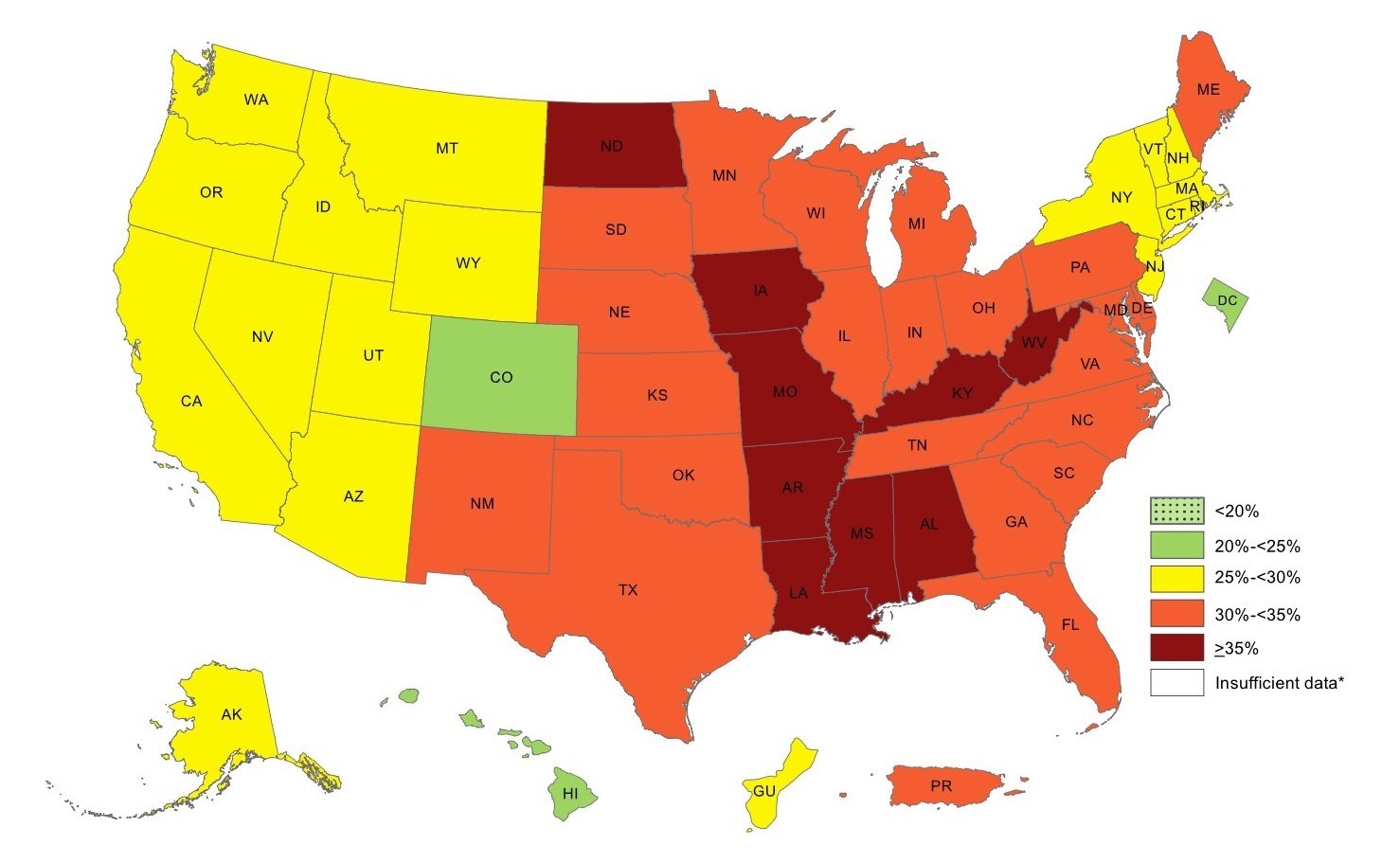




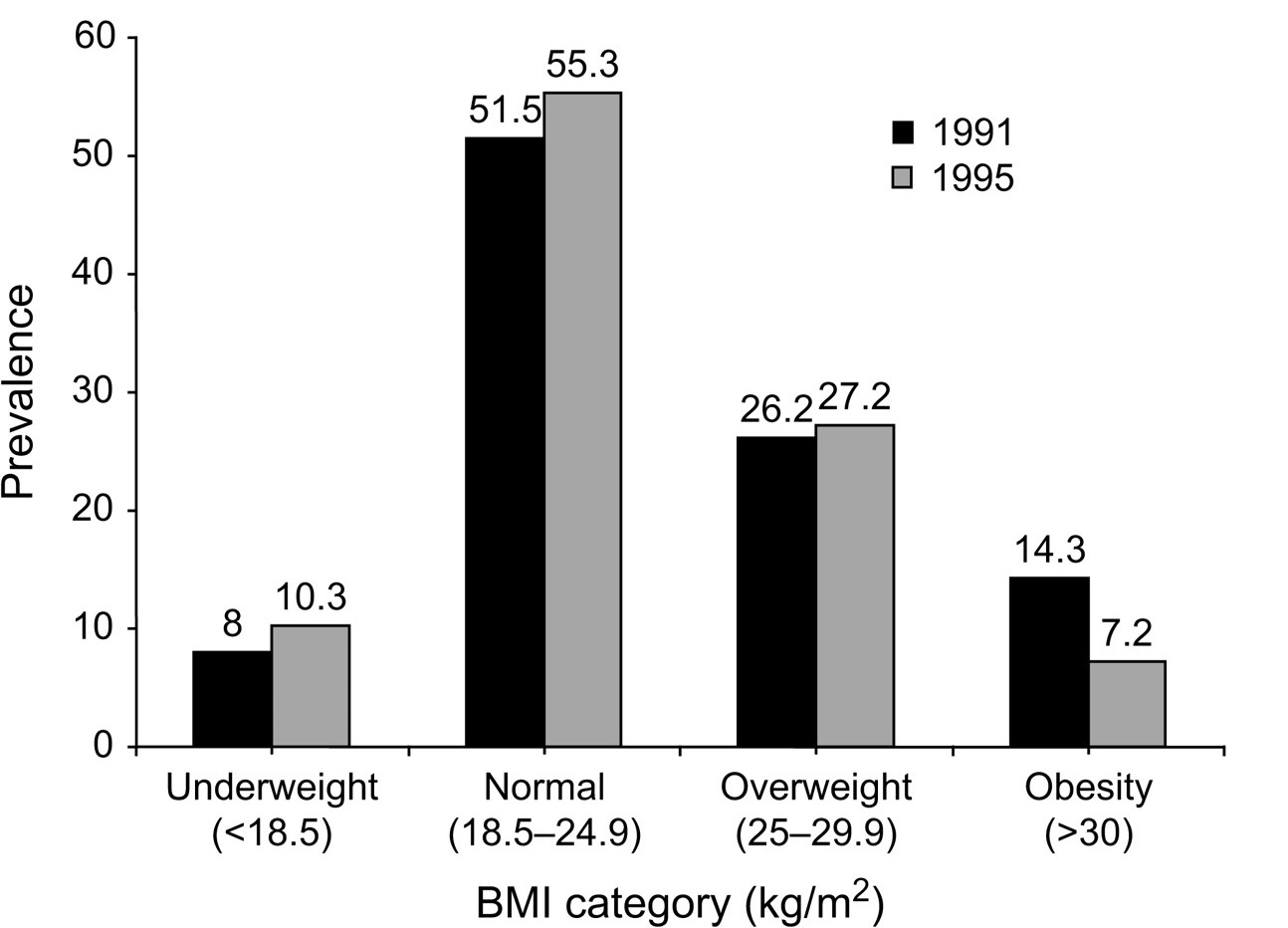
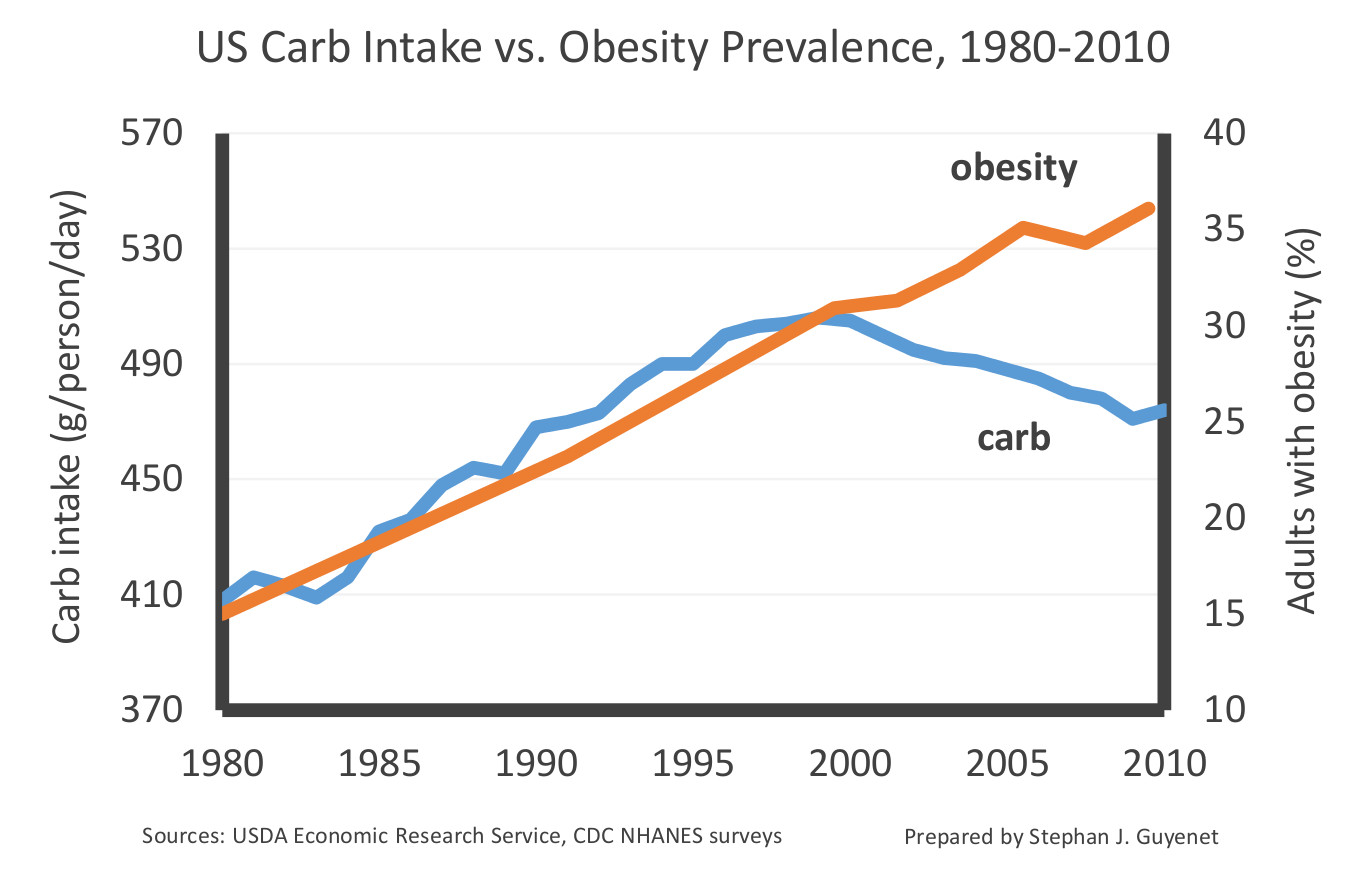
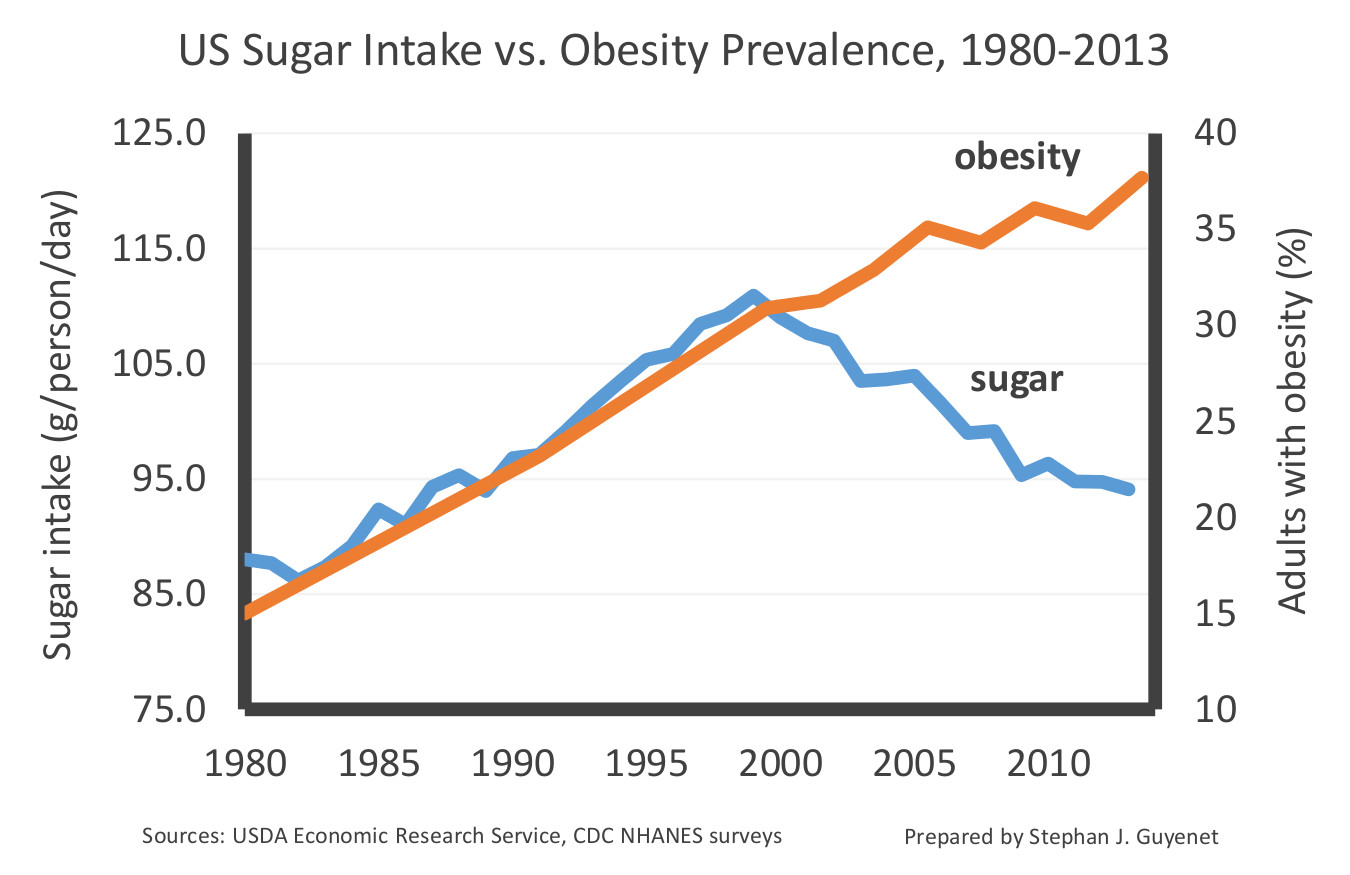

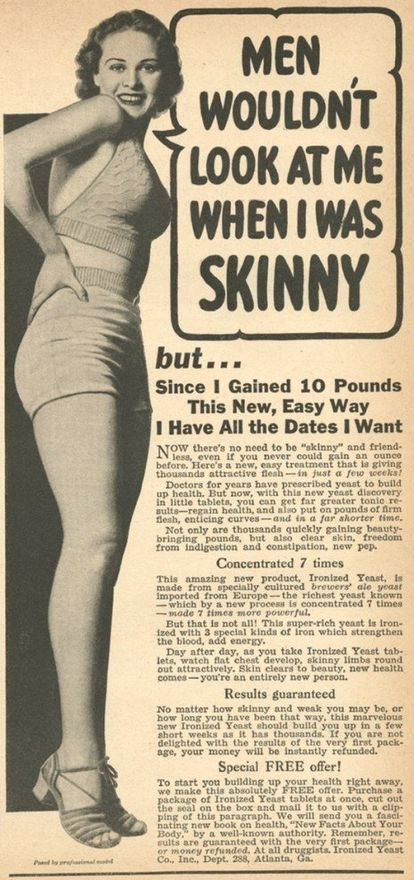
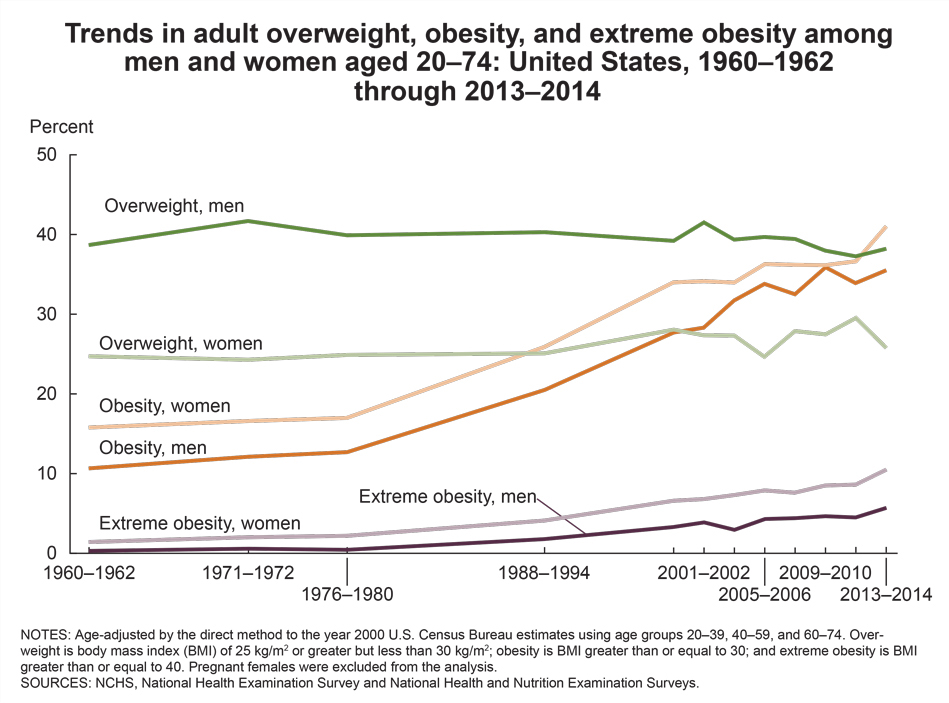


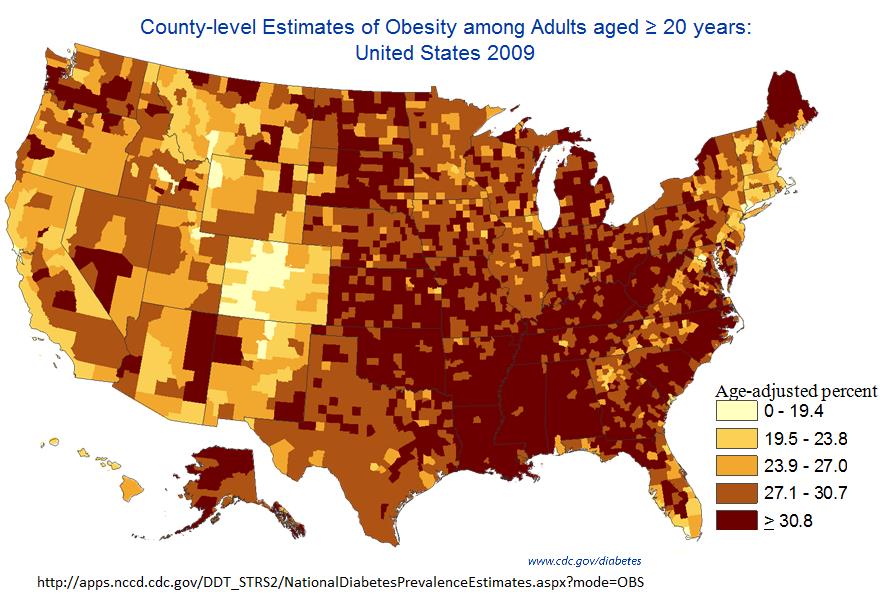

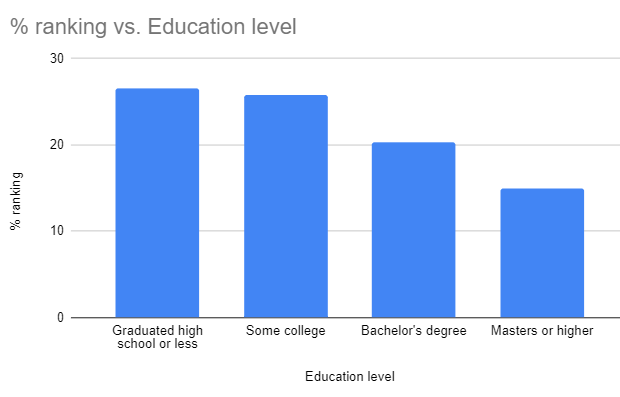
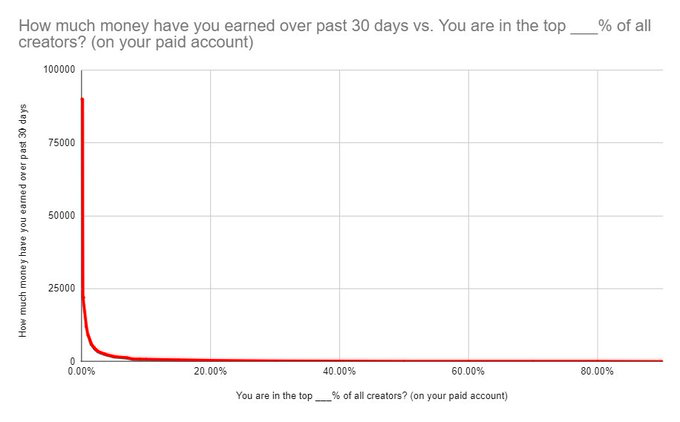


 SLIME MOLD TIME MOLD